
In a world that feels increasingly connected yet often divided, helping our children develop a genuine appreciation for global diversity is one of the most meaningful gifts we can give.
It’s about more than just spotting countries on a map or trying a new food once a year.
It’s about cultivating curiosity, empathy, and respect—core values that prepare our kids to be thoughtful global citizens.
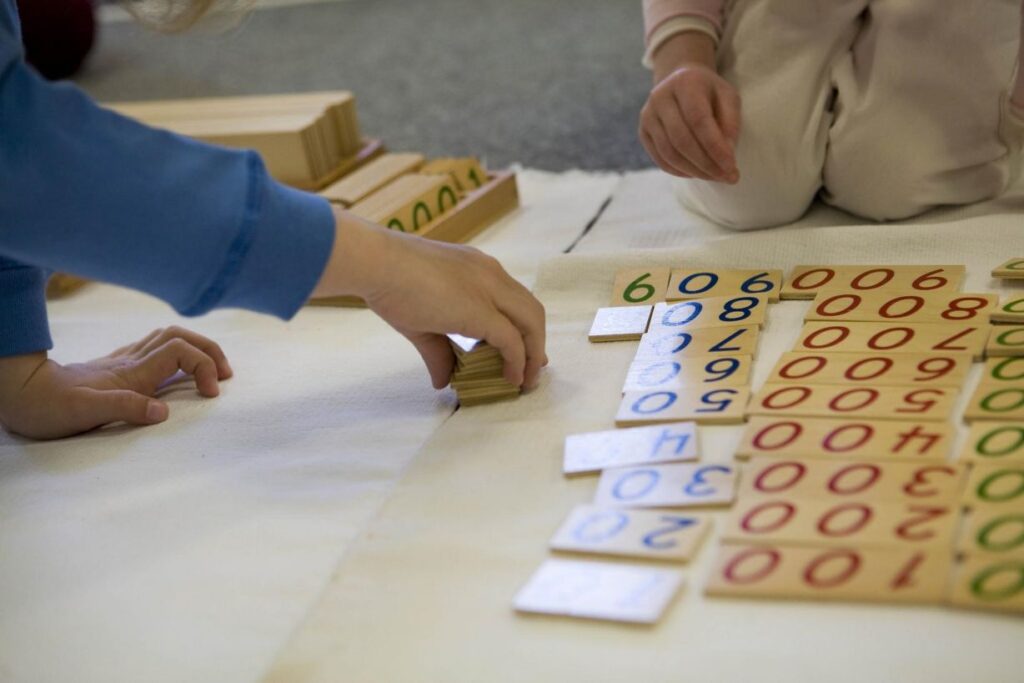
The Montessori method, with its profound respect for the child and emphasis on concrete, hands-on learning, offers a beautiful and practical framework for this journey.
It moves beyond tourism and surface-level facts, inviting children to engage with cultures in a way that is tangible, personal, and integrated into their daily lives.
At its heart, it’s about fostering a sense of connection to the wider human family.
As parents, we have the wonderful opportunity to design an environment that makes this exploration natural and joyful.
As a father and founder of Dannico Woodworks, I believe the spaces we create for our children can either limit or liberate their exploration.
Our mission has always been to craft furniture that supports independence and growth, and this extends powerfully into nurturing a child’s understanding of the world.
Table of Contents
How do I Celebrate World Cultures The Montessori Way?
Let’s explore how you can celebrate world cultures, the Montessori way.
1. Begin with the Prepared Environment: A Global Home Base
In Montessori, the “prepared environment” is everything. It’s the carefully curated space that invites exploration and meets the child’s developmental needs. To invite global exploration, your home environment should reflect a world view.
Start simply. A world map or globe is a non-negotiable staple. Place it at the child’s level, perhaps near a cozy reading nook.
This isn’t just for decoration; it’s a constant reference point. When you read a story set in Kenya, find it on the map together. When grandma sends a letter from Norway, trace the journey.
Next, consider your shelves. Rotate books, artifacts, and artwork that represent various cultures. A dedicated display space allows a child to interact with these items respectfully.
Our Montessori Bookshelf is designed perfectly for this. Its low, open shelves allow children to independently choose a book about Japanese festivals or carefully examine a handwoven basket from Peru.
The act of selecting and returning these items fosters responsibility and deep, personal engagement.
Curate your home library with beautiful, authentic stories that feature diverse characters in everyday life, not just folklore. Seek out books written by authors from those cultures.
Ready to create an inviting space for global discovery? Explore our collections designed to empower your child’s independence. View our thoughtfully designed furniture here.
2. Follow the Child’s Interest with Hands-On Materials
Montessori education is famous for its tactile, self-correcting materials. You can apply this principle at home by providing “hands-on” cultural experiences. The key is to move from abstract to concrete.
If your child shows an interest in a particular country or tradition, think of an activity they can do. Instead of just showing pictures of Hanami (cherry blossom viewing in Japan), you could try a flower-arranging activity with spring branches. Interest in Egyptian history could lead to a simple, hands-on archaeology dig in a sand tray.
Music and art are universal languages that are inherently hands-on. Listen to traditional music from different regions while playing or crafting.
Provide art materials for children to try patterns like Guatemalan worry dolls, Australian Aboriginal dot painting, or Polish Wycinanki paper cuts. The goal isn’t a perfect product, but the sensory experience and connection to a cultural practice.
For the ultimate hands-on cultural experience, the kitchen is your best classroom. Cooking a simple dish from another country engages all the senses—smelling spices, kneading dough, tasting new flavors.
Our Montessori Kitchen Helper is engineered to bring children safely to counter height, making them true participants. Grinding spices for Indian chai, rolling dough for Italian pasta, or assembling ingredients for Mexican tacos becomes a lesson in geography, math, and generosity all at once.
3. Embrace Storytelling and Language
Stories are how humans make sense of the world. They build bridges of empathy. Share folk tales, myths, and fables from around the world, discussing the universal themes and the unique cultural details. Use storytelling props or simple puppets to make the stories come alive.
Language is a direct window into a culture’s way of thinking. You don’t need to be fluent! Learn basic greetings together— “Hello,” “Thank you,” “Peace.”
Point out scripts and writing systems. Have fun learning to count to ten in different languages. This teaches children that there are many valid ways to communicate and express the same idea.
A calm, focused space for reading and reflection is essential. After sharing a powerful story about a child’s life in another part of the world, your child might want to sit quietly and process it.
Creating a cozy corner with our Montessori Floor Bed and a soft light provides that sanctuary. It’s a personal space where they can look at a globe, re-read a favorite story, or simply daydream about far-off places, fostering deep internal connections.
4. Focus on “People” Before “Places”
A pivotal Montessori approach is to humanize cultures. For young children, start with the familiar concept of “family” and expand outward.
Show photographs of children their age from different countries eating breakfast, playing with their pets, or helping their parents.
The message is: “Their life may look different, but they have the same feelings, needs for love, and sense of fun as you.”
Avoid presenting a culture as a single, static stereotype (e.g., “All Mexicans wear sombreros”). Instead, highlight diversity within a culture—city life vs. rural life, modern fashion alongside traditional dress. Use phrases like “some people in this region…” or “many families celebrate…”.
Celebrate cultural holidays as they occur throughout the year, not just during a designated “international week.” Mark them on your family calendar. During Diwali, light small lamps and make sweet treats.
For Lunar New Year, learn about the zodiac and the meaning of the color red. The repetition year after year builds authentic understanding and anticipation.
5. Connect Through Food, Festivals, and Community
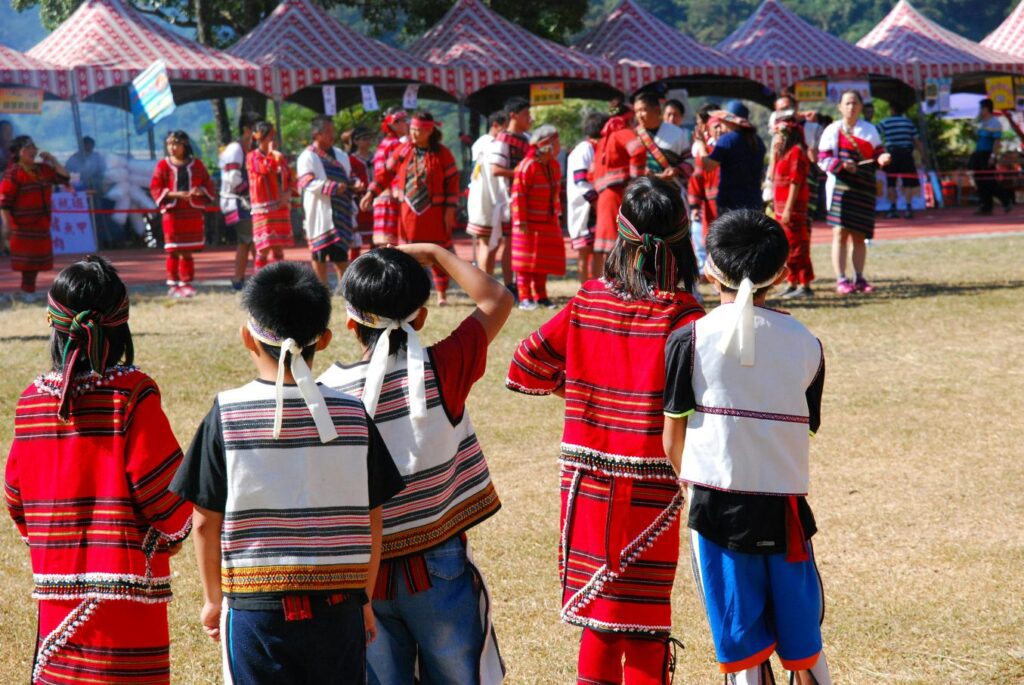
Finally, take the learning outside your home. Visit local cultural festivals, museums, or restaurants owned by families from different backgrounds. The goal is positive, first-hand experience.
Better yet, if your community is diverse, nurture friendships with families from different cultural heritages.
Let the learning be mutual, respectful, and based on genuine relationship-building. Share meals, playdates, and stories.
After an exciting day at a cultural festival, children often need a place to decompress and integrate their experiences.
Our Montessori Climbing Triangle isn’t just for physical development. It can become a spaceship to the moon, a mountain to climb in the Himalayas, or a safe structure for imaginative play that reenacts the dragon dances or parades they witnessed, processing the day’s stimuli through movement and creativity.
Discover more about our philosophy of creating supportive environments for child-led exploration on our blog. Find inspiration and practical tips here.
FAQs
My family is not very diverse. How can I authentically teach about cultures we have no direct connection to?
Start with resources created by members of that culture—seek out books, music, documentaries, and recipes by authentic voices.
Be open about learning alongside your child. Say, “I don’t know much about this either, let’s learn together.”
Your genuine curiosity models lifelong learning. The focus is on building respect and awareness, not claiming expertise.
How do I avoid stereotypes or cultural appropriation?
This is a crucial question. The key is intention and context. Avoid costumes that reduce a culture to a caricature. Instead of dressing “like a Native American,” learn about the specific history and artistry of beadwork from a particular nation.
Focus on appreciation, not imitation. Always tie activities back to their human context: “This is how some people in Ghana create beautiful cloth,” rather than treating it as a cool craft divorced from its meaning.
Is this approach suitable for toddlers, or should I wait until they’re older?
It’s perfect for toddlers! Start with the foundational concepts of respect and observation.
Use simple language: “Look, this doll has beautiful fabric from Nigeria.” “Let’s listen to happy music from Brazil.”
Introduce board books with photos of children from around the world. At this stage, you’re planting seeds of normalcy around global diversity.
How can Montessori furniture specifically support this learning?
Montessori furniture is designed for autonomy and access. A low shelf (like our Pikler Triangle and Arch Combo) allows a child to independently choose a cultural puzzle or artifact.
A weaning table and chair set invites them to sit for a tea ceremony or a special snack from another country.
The furniture removes adult barriers, allowing the child to engage directly and repeatedly with the materials that spark their interest, which is the essence of deep learning.
Conclusion
Celebrating world cultures the Montessori way isn’t about adding more curriculum to your day. It’s a shift in perspective—weaving a thread of global awareness into the fabric of your home life. It’s about providing the tools, the space, and the respectful guidance that allows your child’s natural curiosity about the world to flourish.
By preparing an environment that reflects global diversity, offering hands-on experiences, sharing authentic stories, and focusing on our shared humanity, we give our children a priceless gift: the understanding that they are part of a large, wonderful, and interconnected world.
At Dannico Woodworks, we are committed to crafting the pieces that support this journey—furniture that empowers your child to explore, create, and connect from a place of independence and security.
If you could choose one object from your home that tells a story about your family’s heritage or a culture you love, what would it be, and how would you share that story with your child?
Key Takeaways
- Create an Inviting Space: Use your home environment, with accessible furniture like a Montessori bookshelf, to display global artifacts, maps, and books that invite independent exploration.
- Prioritize Hands-On Experience: Move beyond passive learning to activities like cooking, art, and music, using tools like a Montessori kitchen helper to make participation safe and meaningful.
- Humanize and Connect: Focus on the everyday lives of people, especially children, from different cultures to build empathy and break down stereotypes.
- Integrate Authentically: Weave cultural celebrations and learning into the natural rhythm of your year and daily life, rather than treating it as a separate subject.
- Follow the Child’s Lead: Nurture their natural curiosity about different languages, foods, and traditions, providing resources and experiences that match their developing interests.
Learn more about our story and our dedication to child-centered design. Meet our family and discover our mission here.