
Moving to a new home is a major life event for any family, but relocating with kids adds another layer of complexity. Between organizing household belongings, managing emotions, and maintaining daily routines, the process can quickly feel overwhelming. With careful planning and smart packing strategies, families can make moving days far less stressful and much more manageable.
Children thrive on stability and routine, so creating a structured moving plan helps everyone adjust more smoothly. From decluttering early to packing room by room, the right approach can save time, reduce stress, and help your family settle comfortably into your new home.
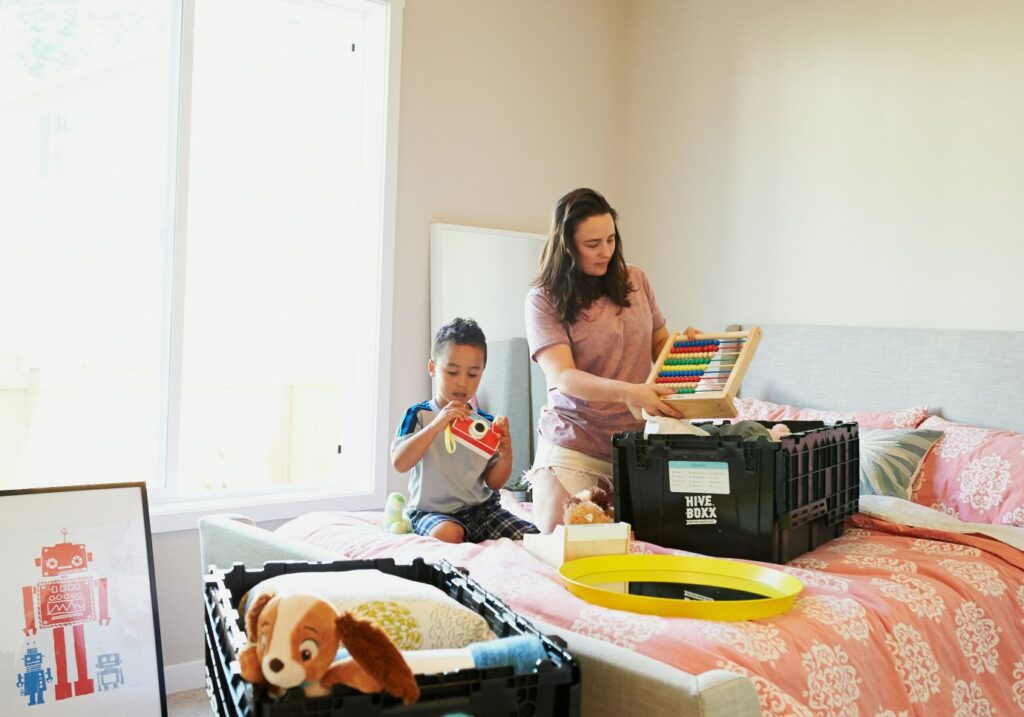
Table of Contents
Start Planning Early
One of the biggest mistakes that families make is waiting too long to begin packing. When children are involved, interruptions are inevitable, so starting several weeks in advance gives you the flexibility to work at a steady pace.
Begin by creating a moving checklist that outlines every task leading up to moving day. Divide responsibilities among family members whenever possible. Older children can help organize toys, label boxes, or choose items they no longer use.
Packing gradually also prevents burnout. Focus on non-essential items first, such as seasonal clothing, decorations, books, or rarely used kitchen appliances. By the final week, you should only have everyday necessities left unpacked.
Declutter Before You Pack
Moving is the perfect opportunity to reduce clutter. Families often accumulate large amounts of toys, clothes, and household items over the years, many of which are no longer needed.
Go through each room carefully and separate belongings into categories. Encourage your kids to donate toys or clothes they have outgrown to local charities. Decluttering before packing can help lessen the number of boxes you need, reduce the moving expenses, and make unpacking in the new home more manageable and efficient.
Pack One Room at a Time
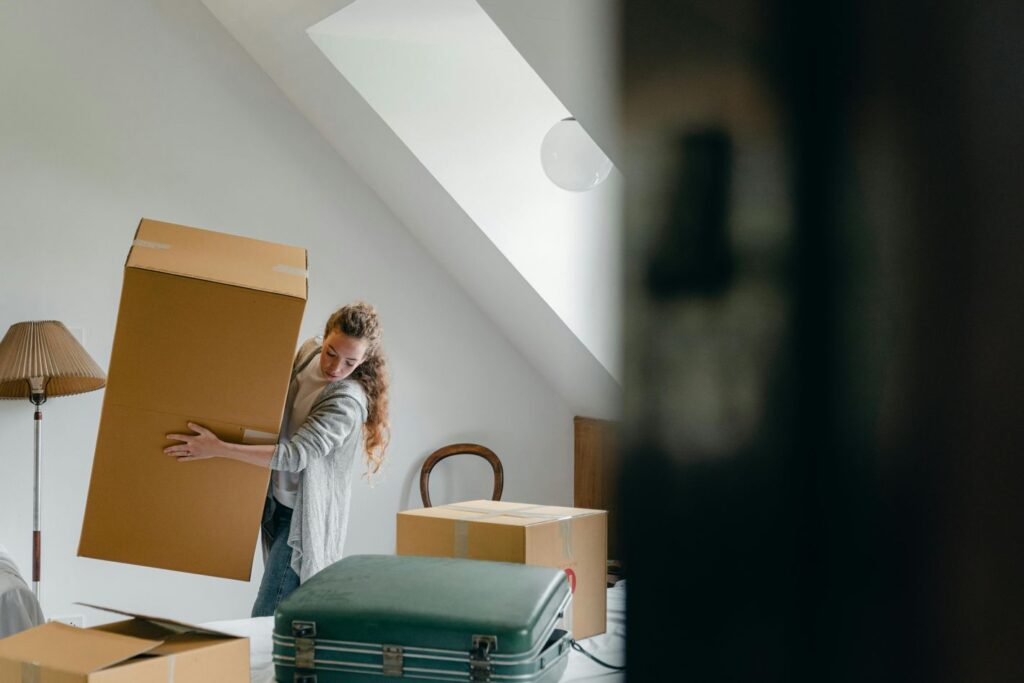
Trying to pack the entire household simultaneously can be inefficient and more stressful. Be more systematic and focus on one room at a time. Label each box clearly and use color-coded labels to simplify the process. For example:
- Blue for bedrooms
- Green for the kitchen
- Yellow for the bathroom
- Red for fragile items
This strategy helps movers know exactly where each box belongs and allows your family to unpack more efficiently later.
Prepare an Essentials Bag for Each Child
Moving days can be long and unpredictable, especially for younger children. To avoid frustration, prepare an essentials bag for each child containing important comfort items and daily necessities. Include items such as:
- Snacks and water bottles
- Favorite toys or stuffed animals
- Tablets, books, or coloring supplies
- Extra clothing
- Toiletries and medication
Having these essentials easily accessible prevents the need to search through packed boxes during the move.
Use Durable Packing Supplies
Not all boxes and storage bins are created equal. Investing in sturdy packing materials can prevent damage and reduce stress during transportation.
Heavy-duty plastic bins are particularly useful for family moves because they stack easily and protect belongings from moisture or accidental crushing. Many families also use a secure container for moving important documents, electronics, children’s school supplies, or sentimental items that require extra protection during transit. Bubble wrap, packing paper, and furniture covers can also help safeguard fragile items throughout the relocation process.
Keep Kids Involved in the Process
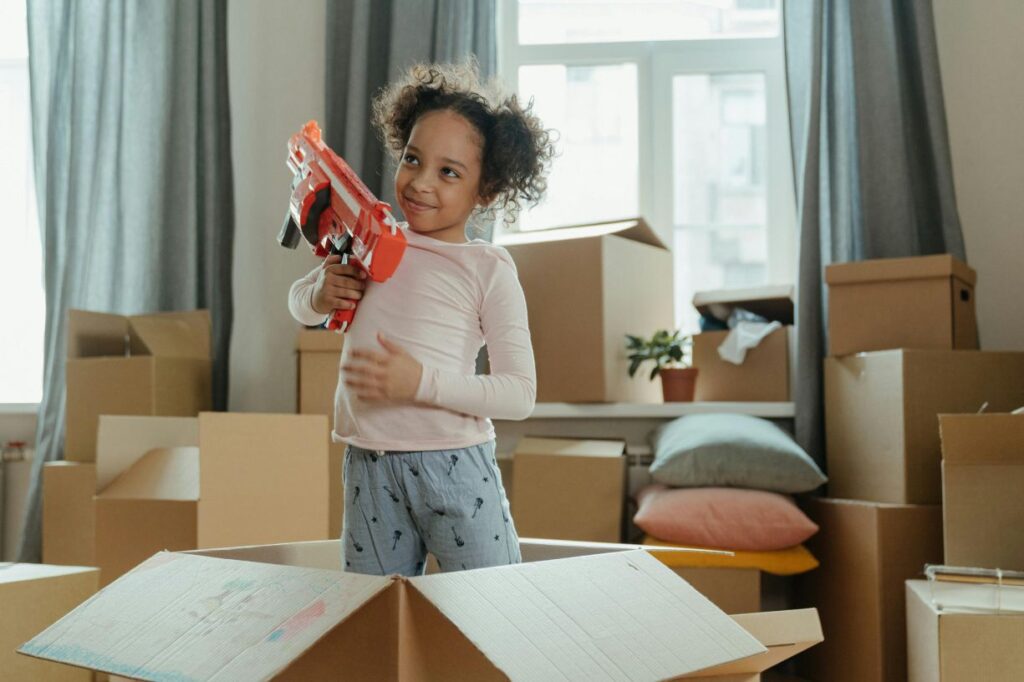
Children may feel anxious about leaving a familiar environment, especially if they’re moving away from friends or changing schools. Involving them in the moving process helps reduce uncertainty and gives them a sense of control.
Allow younger children to decorate their moving boxes with stickers or drawings. Older kids can help pack their own rooms and make decisions about furniture placement in the new home. You can also talk positively about the upcoming move by discussing exciting features of the new neighborhood, nearby parks, or activities they can look forward to after settling in.
Maintain Familiar Routines
While moving can temporarily disrupt schedules, maintaining familiar routines as much as possible can help children adapt more easily. Try to keep regular meal times, bedtimes, and family activities consistent during the transition.
If possible, avoid packing the children’s bedrooms too early. Keeping their favorite toys, blankets, and familiar surroundings intact until the final days can provide comfort during an otherwise busy period. Once you arrive at the new home, prioritize setting up the children’s rooms first. Familiar spaces can help them feel secure and settled more quickly.
Pack Smart for Moving Day
As moving day approaches, strategic packing becomes even more important. Place heavier items at the bottom of the boxes and lighter items on top to prevent damage. Avoid overpacking boxes, especially when carrying boxes or kitchenware.
Label fragile boxes clearly and keep valuables with you whenever possible. Important paperwork, passports, medical records, and financial documents should remain easily accessible throughout the move.
If you’re hiring professional movers, communicate clearly about which items require special handling. A detailed inventory list can also help you stay organized and ensure nothing gets misplaced during transportation.
Endnote
Relocating with kids can feel challenging, but the right packing strategies can make a significant difference. By starting early, staying organized, and involving children throughout the process, you can reduce stress for the whole family and create a smoother moving experience.