
Teaching kids to manage big emotions in children starts long before a meltdown hits the floor. It begins in the calm moments, when a child can borrow your nervous system, your words, and your patience until they can build their own.
If you’ve ever stood in the middle of a tantrum thinking, “What am I supposed to do right now?” you’re not alone. By the end of this, you’ll have a clear, realistic plan for helping kids manage emotions without yelling, shaming, or guessing.
Important: The information in this article is for educational purposes only and does not constitute medical advice. Every child and family is different. Always speak with your pediatrician or a qualified medical professional before making any health-related decisions.
Table of Contents
Why big emotions feel so much bigger at home
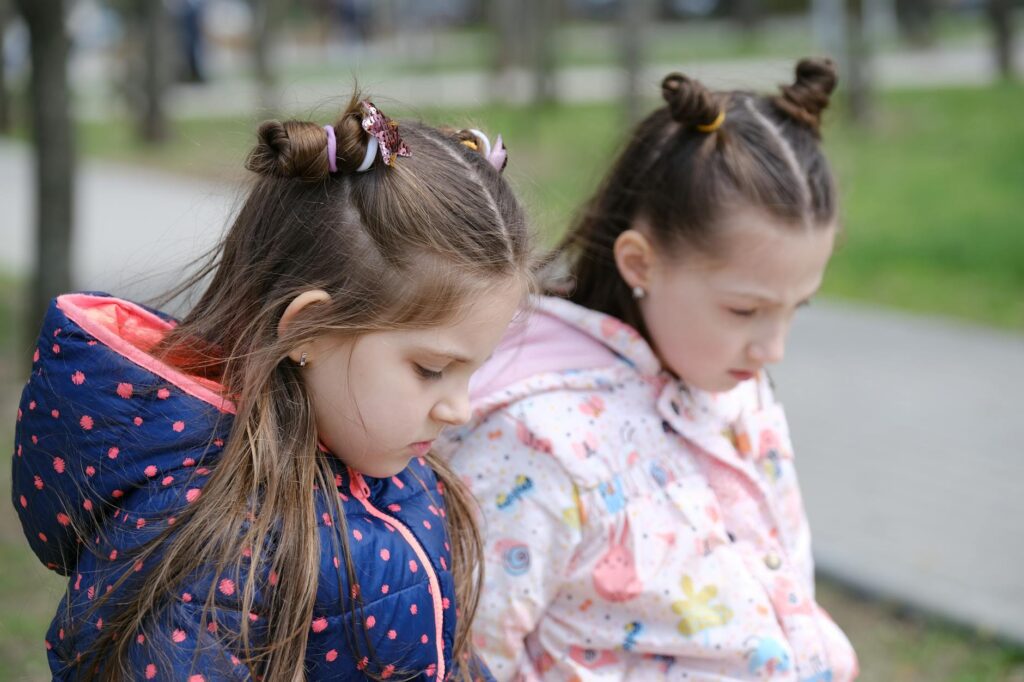
Your child may hold it together all day at school, then unravel the second they get in the car. That’s not a sign you’re doing something wrong. It’s often a sign they feel safe enough with you to let go.
That’s the part nobody tells you when you’re dealing with screaming, tears, or a refusal to move an inch. Big emotions for kids are not usually about “bad behavior” alone. They’re often a nervous system in overdrive, a skill deficit, or a child who doesn’t yet have the language to say, “I’m overwhelmed, hungry, tired, embarrassed, or disappointed.”
Research backs this up. Emotional regulation develops gradually through childhood and into the teen years, with adults playing a major role in co-regulation early on. The American Academy of Pediatrics explains that children learn regulation through supportive relationships, not lectures in the middle of a crisis. You can read more in their guidance on healthy emotional development from the American Academy of Pediatrics.
Here’s the hard truth: a child cannot “use their words” when their brain is flooded. First comes calm, then comes teaching. That order matters more than most parents realize.
This is why teaching kids about emotions works best when you treat it like a skill, not a lecture. And that leads straight to the central truth that changes everything.
Teaching kids to manage big emotions in children starts with co-regulation, not control
The most important thing to understand about teaching kids to manage big emotions in children is this: you cannot discipline a child into calm in the middle of a meltdown. You have to lend them calm first.
That doesn’t mean letting everything slide. It means setting a limit without adding panic, humiliation, or a power struggle. Kids borrow your steadiness before they can build their own emotional regulation children skills.
Think of it like training wheels. A child in distress needs an outside regulator: your voice, your posture, your breathing, and your predictability. Once their body settles, they can hear instruction. Before that, they can only hear threat.
- Connection lowers intensity: A calm adult face and voice can shorten the emotional spiral more effectively than a lecture, because the child stops feeling alone in the moment.
- Labels build wiring: When you name feelings—“disappointed,” “frustrated,” “left out”—you help the brain build emotional vocabulary, which is a real predictor of better coping over time.
- Limits create safety: Children calm faster when the boundary stays the same. “I won’t let you hit” is steadier than changing rules mid-meltdown.
- Practice beats perfection: Teaching kids about emotions during everyday life—books, play, and small disappointments—works better than waiting for the biggest blowup of the week.
That’s the core insight: calm first, skills second, consequences third. If you reverse the order, you usually get more noise and less learning.
Now let’s turn that into something you can actually do tonight.
How to teach kids about emotions without turning every feeling into a fight
You do not need a Pinterest-perfect emotion chart to start. You need a simple repeatable system your child can recognize when they’re upset.
- Notice the trigger: Watch for the patterns. Is it transitions, hunger, sensory overload, screen time ending, sibling conflict, or being told no? Write down the last three meltdowns and look for the same setup.
- Name the feeling out loud: Keep it short: “You look angry,” “That was disappointing,” or “Your body seems really revved up.” This is one of the fastest ways to teach kids about emotions because it links body cues to words.
- Set the boundary in one sentence: Say exactly what stays true. “I won’t let you throw blocks.” “We’re not hitting.” “Snack is done.” Long explanations usually make things worse mid-meltdown.
- Offer one regulation tool: Don’t overwhelm them with choices. Try deep breaths, a squeeze pillow, a drink of water, a quiet corner, or five wall pushes. For younger kids, how to teach toddlers about feelings often starts with body-based tools, not verbal ones.
- Reconnect after calm returns: Later, when they’re settled, replay it simply: “You got mad when it was time to leave. Next time, we can stomp three times or ask for help.” That’s when the learning sticks.
If your child is very young, keep the language concrete. Toddlers understand “mad,” “sad,” “scared,” “tired,” and “my turn” far more easily than abstract coaching. For a helpful grounding point on age-appropriate emotional development, the CDC’s developmental milestones are a solid reference.
The real win isn’t stopping every meltdown. It’s building a child who recognizes their inner storm and knows what to do next. That’s where the research gets especially encouraging.
What the research says about emotional regulation in children
There’s a lot of noise online about emotional regulation children “should” already know how to do. The science says otherwise. Self-regulation is learned, not assumed, and it develops through repeated practice in supportive relationships.
A large body of child development research shows that early caregiver support predicts stronger emotional competence, better social adjustment, and fewer behavior problems later. The National Scientific Council on the Developing Child has long emphasized that responsive relationships are a foundation for healthy development. If you want the bigger picture, their overview on serve and return interactions is worth reading.
Another useful point: emotional vocabulary matters. Studies in developmental psychology consistently link better emotion knowledge with better social functioning and fewer externalizing behaviors. In plain English, kids who can name what they feel are more likely to manage what they feel.
And here’s the surprising part most parents never hear: the goal is not to eliminate negative emotions. That’s impossible and not healthy. The goal is to help your child recover faster, with less chaos, and with more confidence after the feeling passes.
“Children are not given enough credit for their ability to manage emotions, but they need adult scaffolding to do it well.” — Dr. Ross Greene, child psychologist and author
What This Actually Means for You
You do not need a child who never gets upset. You need a child who can come back from upset without being flooded by shame. That is a realistic goal, and it’s one that gets easier with consistent coaching, not tougher with harsher reactions.
Once you understand that emotional regulation is taught through repetition, the next question becomes obvious: what are parents accidentally doing that makes it harder?
The big emotion mistakes that make everything last longer
These are the habits that keep tantrums alive. Most come from love, fear, or exhaustion. But they still backfire.
- Mistake #1 — Talking too much in the middle of the storm: Parents often explain, justify, and lecture because they want the child to understand. The child usually hears none of it. Instead, keep it brief and wait for calm before teaching.
- Mistake #2 — Calling feelings “bad”: When kids hear “stop being dramatic” or “you’re fine,” they learn to hide emotions rather than manage them. Try: “The feeling is okay. The behavior needs a limit.”
- Mistake #3 — Inconsistent boundaries: If throwing sometimes gets attention, sometimes gets a long speech, and sometimes gets ignored, the behavior becomes harder to extinguish. Pick a response and repeat it.
- Mistake #4 — Expecting a toddler to reason like a seven-year-old: A preschooler in meltdown mode is not being manipulative in the adult sense. Their brain is under construction. Use simple words, body regulation, and repetition.
One more mistake is subtle but huge: rescuing too fast. If you jump in immediately every time, kids never get the tiny practice reps that build tolerance. Stay close, stay calm, and let the moment be small enough to learn from.
That’s also why this topic matters more now than it did a generation ago. Kids are growing up under heavier emotional pressure, and parents are being asked to do more with less support.
Why teaching kids to manage big emotions in children matters more than ever
We’re living in a time when children face more stimulation, more transitions, and often less unstructured recovery time. Sleep disruption, overscheduled afternoons, and constant digital input can all make emotional regulation harder for growing kids.
Experts in child mental health keep stressing early support because small skills compound. A child who learns to pause, breathe, and name a feeling doesn’t just have a calmer preschool pickup. They’re building the foundation for resilience, friendships, classroom behavior, and later coping under stress.
That’s why this is not “just a parenting phase.” It’s a long game with real payoff. The earlier children get consistent emotional coaching, the less likely every hard feeling becomes a crisis.
If you want a good outside benchmark on early mental health and development, the World Health Organization’s nurturing care framework is a strong reminder that responsive caregiving is central, not optional.
And if you’re wondering whether all this effort actually works, the answer is yes—when it’s repeated, simple, and connected to real life. The next questions are the ones parents ask most.
Questions parents ask about big emotions in kids
How do I teach my toddler about feelings?
Start with words they can use every day: mad, sad, happy, scared, tired, and hungry. Pair the word with a face, a body cue, and a short response: “You’re mad. Your fists are tight. Let’s stomp.” Keep it playful and brief, and check with your pediatrician if you’re concerned your child’s emotional responses seem extreme for their age.
What should I do during a tantrum?
Stay calm, keep your words minimal, and hold the boundary. If the child is safe, reduce attention to the behavior while offering presence: “I’m here. We’ll talk when your body is calm.” If tantrums are frequent, intense, or happening across settings, talk with a qualified professional.
Is it okay to let kids cry it out emotionally?
Crying is a normal release, but emotional neglect is not the goal. Children do best when they’re allowed to feel their feelings with a steady adult nearby. If you’re unsure whether your response is supportive enough, your pediatrician or a child mental health professional can help you think it through.
What are signs my child needs extra help with emotional regulation?
Look for patterns like frequent aggression, intense reactions that don’t improve with consistent support, trouble at school, sleep problems, or big mood changes that seem out of proportion. Those signs do not mean something is “wrong” with your child, but they do mean it’s smart to ask for guidance sooner rather than later.
Does teaching emotions really reduce behavior problems?
Yes—when it’s done consistently and matched to the child’s age. Teaching children to recognize feelings, calm their bodies, and repair after conflict is linked with better social outcomes and fewer repeated blowups over time. If you want personalized advice, a pediatrician can help you decide what’s typical and what deserves a closer look.
Teaching kids to manage big emotions in children is a skill you build one calm moment at a time
The heart of teaching kids to manage big emotions in children is not perfect parenting. It’s steady parenting. You name the feeling, keep the limit, and return to the skill when everyone is calm enough to learn.
That’s how emotional regulation children actually develops: not in one dramatic breakthrough, but in tiny reps that teach the brain, “I can be upset and still be safe.” If you’ve been worried that you’re missing some secret trick, you’re not. The work is simpler than the internet makes it sound, and harder in the exact way real parenting always is.
Start today by choosing one phrase you’ll use every time your child gets overwhelmed—something like, “I’m here, and I won’t let you hurt anyone.” Say it the same way for the next week. That one sentence can become the steady hand your child remembers when their feelings feel too big to carry alone.
And if you’re ever unsure whether your child’s reactions are within the normal range, reach out to your pediatrician. A warm, informed second opinion can make the whole path feel less lonely.
You’re doing more than getting through the hard moment—you’re teaching a skill your child will use for years.