
Head Lice Treatment for Kids: Get Rid of Lice Fast is one of those searches people make when the itching starts, the school note arrives, and suddenly the whole house feels itchy. The good news? You do not need to panic, shave heads, or deep-clean every pillow in sight. You need a calm plan that actually works.
If you’ve been staring at a tiny comb wondering whether this is a 10-minute fix or a 10-day ordeal, you’re in the right place — and by the end of this, you’ll know exactly what to do first, what to skip, and how to keep lice from making a comeback.
Important: The information in this article is for educational purposes only and does not constitute medical advice. Every child and family is different. Always speak with your pediatrician or a qualified medical professional before making any health-related decisions.
Table of Contents
Why head lice feels like a full-blown crisis the second you find it
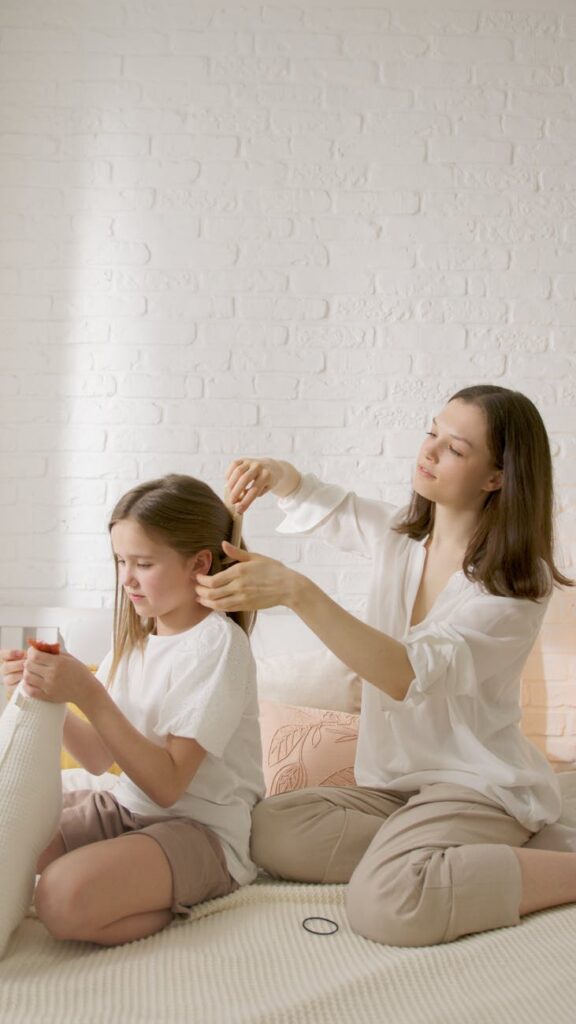
Head lice usually shows up at the worst possible time: before school pictures, after sleepovers, or right when your child is already cranky and tired. And because lice spreads through close head-to-head contact, it has a way of showing up in clusters — siblings, classmates, cousins, the whole orbit.
The part that throws parents off is this: lice is annoying, but it is not a sign of poor hygiene. The CDC’s head lice guidance is very clear that anyone can get it, and a lot of the fear comes from misinformation, not the bug itself.
That’s why the fastest path is not “do everything.” It’s “do the right things in the right order.”
The fastest way to treat head lice is simple, not dramatic
The core truth is this: the best lice treatment for kids combines a proven treatment with careful checking and repeat follow-up. The biggest mistake parents make is treating only once, or treating the wrong way, then assuming lice “came back” when it never fully left.
Over-the-counter pediculicide products, when used exactly as directed, can work well for many families. But resistance to some common ingredients has been documented in multiple regions, which is why “just grab the first bottle” is not always the best plan. The American Academy of Pediatrics recommends treatment choices based on the child’s age, the product label, and whether live lice are actually present.
- Live lice matter more than nits: a few empty eggs close to the scalp can hang around after treatment, so don’t mistake old nits for a failed treatment.
- Timing matters: many treatments need a second round several days later to catch newly hatched lice.
- Combing still helps: wet combing removes lice and nits and gives you proof the treatment is working.
- Environmental cleaning is limited: lice do not survive long off the scalp, so you do not need to turn your house upside down.
That shift in mindset — from panic to sequence — is what gets you out of the lice loop fastest.
Now let’s turn that into an actual plan you can use today.
Head lice treatment kids: the step-by-step plan that actually gets results
If you want to know how to get rid of head lice without wasting time, follow this order. It keeps you from over-cleaning, under-treating, or missing the second round.
- Confirm active lice: Use bright light and a fine-tooth lice comb on damp hair. Live lice move; nits are attached to the hair shaft and are usually found close to the scalp.
- Choose one proven treatment: Use an age-appropriate over-the-counter option or a prescription treatment your pediatrician recommends. Follow the label exactly — not “close enough.”
- Comb thoroughly: Section the hair and comb from scalp to ends. Wipe the comb on a white tissue or paper towel after every pass so you can actually see what you’re removing.
- Repeat on schedule: Many treatments require a second application about a week later. Set a phone reminder now, because this is where most families slip up.
- Check close contacts: Inspect siblings and anyone in the same home, especially if they share beds, brushes, hats, or frequent snuggling.
One practical tip most parents don’t get: if your child has very thick, curly, or long hair, divide it into tiny sections with clips before you start. You’ll be faster, calmer, and far more thorough.
And because treating the head is only half the story, the next question is always whether the data backs this approach up.
What the research and experts say about head lice treatment for kids
Public health guidance and pediatric recommendations line up on the same basics: confirm live lice, use a proven product correctly, and repeat treatment when directed. The CDC’s treatment overview also emphasizes that lice-spread anxiety often leads families to overdo cleaning, even though lice don’t live long away from the scalp.
The surprising part is how often “treatment failure” is really a process failure. The Mayo Clinic notes that the most common reason lice seem to persist is incomplete use of the product or missing the follow-up treatment, not because the bug became invincible overnight.
Also worth knowing: several studies have shown increasing resistance to some older over-the-counter ingredients in parts of the world. That does not mean all topical treatment is useless. It means it’s smart to choose carefully and follow medical guidance if the first attempt doesn’t work.
What This Actually Means for You
You do not need the strongest-looking product on the shelf. You need the right product, used the right way, with a second check built in. That’s what turns a messy week into a manageable one.
The mistakes that keep lice coming back
Most families don’t fail because they aren’t trying hard enough. They fail because lice myths are loud, and the actual fix is annoyingly ordinary.
- Mistake #1 — Treating too soon without confirming live lice: Nits alone do not always mean active infestation. What to do instead: look for moving lice first, ideally with a comb and bright light.
- Mistake #2 — Skipping the second treatment: Parents feel better after one round and assume the job is done. What to do instead: set a reminder for the follow-up date before you even start.
- Mistake #3 — Washing the whole house like it’s contaminated: This wastes time and energy. What to do instead: focus on bedding, hats, and anything the child used in the last 48 hours; lice don’t survive long off the scalp.
- Mistake #4 — Using random home remedies: Mayonnaise, oils, and vinegar are popular online, but they are not reliable treatments. What to do instead: stick with evidence-based options and ask your pediatrician if you’re unsure.
There’s one more reason this matters now: lice management has become more about smart strategy than brute force.
Why lice prevention in children matters more than ever
Families are busier, kids are in more close-contact settings, and group activities bounce children together all week long. That makes lice prevention children searches less about fear and more about having a plan before the next outbreak lands in your inbox.
The CDC says the biggest spread happens through direct head-to-head contact, which means the future of prevention is not about fear-based deep cleaning. It’s about practical habits: not sharing hats or brushes, checking after known exposure, and teaching kids to keep personal items separate.
“The most effective prevention is awareness, not panic.” — Public health principle echoed across pediatric guidance
That matters because the more families understand how lice actually spreads, the less time they waste on myths and the faster kids get back to normal life.
Common questions about head lice treatment for kids
How do I check for head lice at home?
Use a bright light, damp hair, and a fine-tooth lice comb. Start near the scalp and comb all the way to the ends in small sections, wiping the comb each time. If you’re unsure what you’re seeing, ask your pediatrician or pharmacist to help confirm it.
Do I need to wash all the bedding and clothes?
Focus on items your child used in the last 48 hours, like pillowcases, hats, and recently worn clothing. The CDC notes that lice usually don’t survive long off the scalp, so there’s no need to disinfect the entire house.
What is the best lice treatment for kids?
The best option depends on your child’s age, the product label, and whether you’re dealing with live lice or just nits. Your pediatrician can help you choose between over-the-counter and prescription options if you’re not getting results.
Can lice go away without treatment?
Not reliably. Lice can keep reproducing, which is why waiting it out usually just stretches the problem. If your child has lice, it’s best to treat it promptly and recheck on schedule.
When should I call the doctor?
Call if treatment doesn’t work after following directions carefully, if your child has a scalp infection, or if you’re dealing with repeated reinfestations. Your pediatrician can help you sort out whether it’s resistance, misapplication, or something else.
Getting rid of lice fast means staying calm and doing the right next thing
Head Lice Treatment for Kids: Get Rid of Lice Fast is not about doing more. It’s about doing the correct steps in the correct order, then resisting the urge to overclean, overreact, or abandon the second treatment. If you confirm live lice, choose a proven treatment, and recheck carefully, you’re already doing what works.
If you do one thing right now, make a small checklist: confirm lice, buy the treatment your pediatrician or pharmacist recommends, and set the follow-up reminder before the day gets away from you. That tiny bit of structure is often what ends the cycle.
You’ve got this — and a calm, methodical plan beats panic every single time.