
Hand Foot and Mouth Disease in Children: Symptoms & Treatment is one of those searches parents make after a daycare note, a mysterious rash, or a child who suddenly refuses their usual snack. One minute everything seems normal; the next, you’re staring at tiny mouth sores and wondering if this is “just a virus” or something you should worry about.
If you’re trying to figure out what’s going on, you’re in the right place — and by the end of this, you’ll know what HFMD usually looks like, what actually helps, what to avoid, and when it’s time to call your child’s doctor.
Important: The information in this article is for educational purposes only and does not constitute medical advice. Every child and family is different. Always speak with your pediatrician or a qualified medical professional before making any health-related decisions.
Table of Contents
What HFMD looks like when your child comes home with a rash
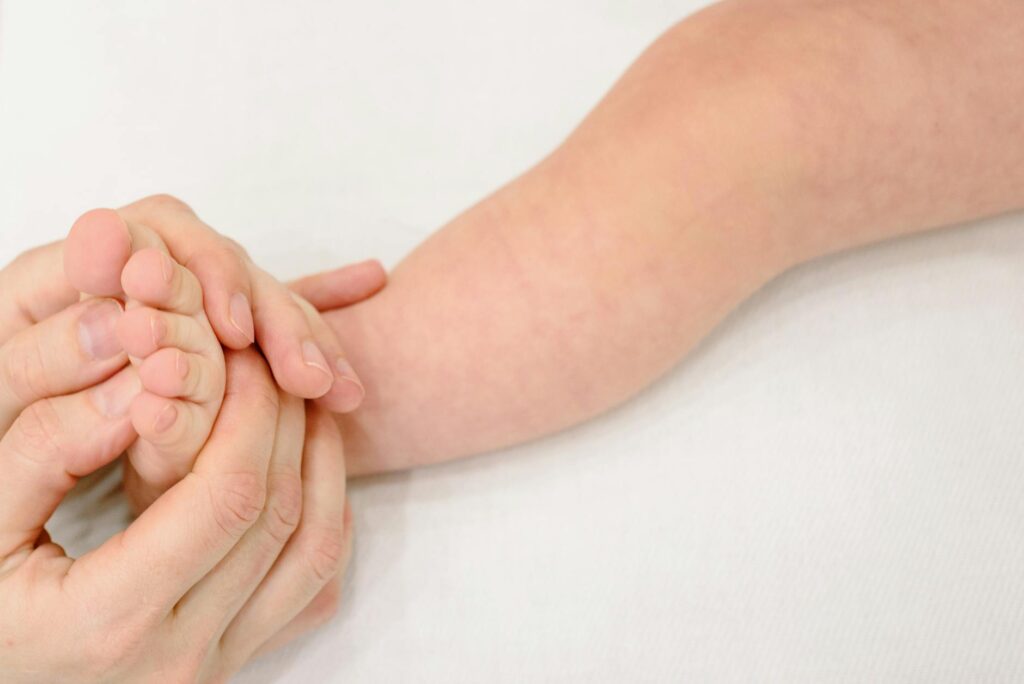
Hand foot and mouth disease has a way of showing up in the most inconvenient, confusing way possible. A toddler may have a low fever on Monday, a sore throat on Tuesday, and by Wednesday there are red spots on the palms, soles, or diaper area — plus painful mouth sores that make eating a battle.
That’s why parents often miss the pattern at first. HFMD is common in young children, especially under age 5, and it spreads fast in childcare settings because kids touch everything and share so much. The CDC notes that the illness usually starts with fever, reduced appetite, and mouth pain before the rash appears in the classic spots like hands, feet, and sometimes buttocks or legs. You can review the official overview at the CDC’s hand, foot, and mouth disease page.
Here’s the part that catches a lot of families off guard: the mouth symptoms are often the biggest problem, not the rash. A child may look “mostly fine” from a distance, but if swallowing hurts, they can become dehydrated quickly. That’s why this illness feels minor on paper and very real in your kitchen.
This pattern matters, because the real goal isn’t to “cure” HFMD — it’s to keep your child comfortable, hydrated, and safely monitored while it runs its course.
The real truth about hand foot and mouth disease in children
Here’s the central truth: hand foot and mouth disease in children is usually a self-limited viral illness, and supportive care is the treatment. That means the job at home is not to chase the rash away or force appetite back to normal. The job is to reduce pain, protect fluids, and watch for red flags.
HFMD is most often caused by enteroviruses, especially coxsackievirus A16, though other strains — including enterovirus 71 — can also cause it. Most children improve within 7 to 10 days, though mouth sores and reduced eating can make those days feel longer than they are. The American Academy of Pediatrics’ HealthyChildren guidance is clear: treatment is supportive, not antibiotic-based, because antibiotics don’t work on viruses.
What people don’t always realize: the rash can look worse before it looks better, and that doesn’t automatically mean the illness is getting dangerous. Tiny blisters may flatten, scab, or peel as healing begins. What matters more is whether your child is drinking, breathing normally, and staying reasonably alert.
Another key point: HFMD is often contagious before the rash shows up and can keep spreading through saliva, nasal mucus, stool, and blister fluid. That’s why a child can seem “fine enough” one day and still pass it around the next. The NHS hand, foot and mouth disease guide explains this clearly and is a helpful reference for what families can expect.
And here’s the practical takeaway: if you’re looking for the best hand foot mouth treatment kids need, think comfort care, hydration, and time — not a special medicine or miracle remedy.
Now let’s turn that truth into a plan you can use today.
What to do at home for hand foot and mouth treatment kids actually need
When a child has HFMD, the smartest home care is simple, boring, and effective. You’re trying to keep them comfortable enough to drink, rest, and recover without turning the house into a medical experiment.
- Offer cold, soothing fluids first: Water, milk, or an oral rehydration solution can help. Popsicles, chilled yogurt, or smoothies may be easier than anything acidic or salty, which can sting mouth sores.
- Choose soft, bland foods: Applesauce, oatmeal, mashed potatoes, soup cooled to lukewarm, and scrambled eggs are often easier to handle. Skip spicy, crunchy, or citrusy foods until the mouth feels better.
- Use pain relief only as advised by your pediatrician: Many parents ask about fever or pain medicine, and the right choice depends on your child’s age, weight, and medical history. Check with your clinician before giving anything new, especially if your child is very young.
- Keep the skin clean and dry: Gentle bathing is fine. Pat the rash dry instead of rubbing it, and avoid popping blisters, which can increase irritation and infection risk.
- Watch hydration like a hawk: Fewer wet diapers, dark urine, dry lips, no tears when crying, or unusual sleepiness can all point to dehydration and deserve a call to your pediatrician.
There’s also one small thing that helps more than people expect: giving your child permission not to eat much for a day or two. Appetite often drops because swallowing hurts. That’s uncomfortable to watch, but fluids matter more than meals in the short term.
If you want another trustworthy reference while you’re tracking symptoms, Mayo Clinic’s HFMD overview gives a clean summary of signs and home care.
Once you know what to do at home, the next question is usually, “How sure are we that this is HFMD?”
How to tell HFMD from other rashes and mouth illnesses
HFMD has a pretty recognizable pattern, but parents understandably mix it up with other common childhood problems. What makes HFMD stand out is the combo: fever or sore throat first, then mouth sores, then spots or blisters on the hands and feet.
Chickenpox usually starts on the trunk more than the palms and soles. Impetigo often looks crusty and bacterial rather than viral. A simple viral cold can cause mouth discomfort, but it usually doesn’t give you the full hand-foot-mouth pattern. And some kids, especially older children, may have a milder or atypical version with fewer skin spots and more mouth symptoms.
The surprising part? A child can have HFMD even if the rash is subtle. Some cases are so mild that parents never realize what it was until daycare announces an outbreak. That’s one reason the illness spreads so efficiently in group settings.
If your child has high fever, severe pain, trouble swallowing, symptoms lasting much longer than expected, or anything that feels off, it’s worth checking in with a medical professional. Diagnosis is usually clinical, which means a pediatrician often recognizes it by appearance and history rather than needing a test.
That brings us to the evidence behind why these simple measures matter so much.
What the research says about how long HFMD lasts and why it spreads so fast
Most standard medical sources agree that HFMD symptoms usually improve within 7 to 10 days, though some children need a bit longer to fully bounce back. The contagious period can be tricky, because children can shed the virus not just when they’re visibly sick, but also afterward — especially in stool for weeks.
That’s why handwashing is not a cute suggestion here. It’s the frontline defense. The CDC emphasizes thorough hand hygiene after diaper changes, bathroom use, and any contact with saliva or nasal secretions. In childcare and preschool settings, that matters a lot more than trying to disinfect one toy and calling it a day.
Medical reviews published in journals such as PubMed Central and guidance from the CDC and AAP consistently point to the same practical truth: there is no antiviral cure routinely used for uncomplicated HFMD in children, and management is mainly symptom control. That may sound underwhelming, but it’s actually reassuring. Most healthy children recover fully with rest and fluids.
What this actually means for you: the biggest job is not guessing which strain your child has. The biggest job is making sure they keep drinking, don’t get dehydrated, and don’t return to school or daycare too soon. If your child seems unusually ill, has trouble breathing, can’t keep fluids down, or is getting worse instead of better, that’s the moment to call your pediatrician.
And as simple as this illness is in most cases, families still make the same avoidable mistakes over and over.
The hand foot and mouth mistakes that make it harder than it needs to be
Most HFMD problems at home come from trying to overdo it, not from doing too little. The goal is comfort and hydration. Everything else is secondary.
- Mistake #1 — Pushing normal meals: Parents often worry when their child barely eats. That’s understandable, but forcing food can make mouth pain worse. Instead, focus on fluids and small, cool, easy-to-swallow options.
- Mistake #2 — Ignoring the hydration clues: A child who is “still playing a little” can still be dehydrated. Fewer wet diapers, dark urine, and a dry mouth are early warning signs. Call your pediatrician if fluids are becoming a fight.
- Mistake #3 — Returning to daycare too soon: Even if fever is gone, contagiousness can continue. Follow your child care center’s policy and your clinician’s advice, and keep up with handwashing at home.
- Mistake #4 — Using random over-the-counter remedies without checking first: Not every medicine is right for every age. Before giving pain or fever medicine, confirm the plan with your child’s pediatrician or pharmacist so you’re using something age-appropriate and safe.
These are small corrections, but they make the illness feel a lot less chaotic. Once you stop fighting the wrong battle, the next step is knowing why HFMD still deserves your attention as kids grow and communities change.
Why hand foot and mouth disease in children is still a big deal
Hand foot and mouth disease isn’t usually dangerous in healthy children, but it’s still important because the social cost is real: missed work, missed school, sleep disruption, and rapid spread through households and classrooms. As childcare has become more group-based and families are juggling busier schedules, outbreaks have become a familiar part of pediatric life.
Experts also keep an eye on changing viral patterns. Atypical HFMD — often linked to different coxsackievirus strains — can cause more widespread rash or nail changes later on. Rare complications can happen, which is why parents shouldn’t shrug off worsening symptoms just because “it’s only HFMD.”
That’s the bigger picture: this is a common illness, but common doesn’t mean careless. The families who handle it best are the ones who recognize it early, hydrate aggressively, and know exactly when to get help.
If you’re the kind of parent who likes having a quick reference on hand, the FAQ below covers the questions that come up most often.
Hand foot and mouth disease in children FAQ
How long does HFMD last in children?
Most children start to improve within 7 to 10 days. Mouth sores and fussiness can fade at different speeds, so your child may feel better before the rash fully disappears. If symptoms are dragging on, getting worse, or your child isn’t drinking well, check in with your pediatrician.
How contagious is hand foot and mouth disease?
HFMD is very contagious, especially in the first week and during close contact with saliva, nose mucus, blister fluid, and stool. Kids can still spread the virus after they seem better, which is why handwashing and staying home when sick matter so much.
What is the best treatment for hand foot mouth in kids?
The best treatment is supportive care: fluids, rest, soft foods, and symptom relief recommended by your child’s doctor. There isn’t a standard antibiotic treatment because HFMD is caused by a virus, not bacteria.
Can a child with HFMD go to school or daycare?
Usually not if they have fever, are too uncomfortable to participate, or are drooling because mouth pain is severe. Return rules vary by school and daycare, so follow their policy and your pediatrician’s guidance. The main thing is that your child should be able to drink, rest, and manage symptoms without spreading illness to others.
When should I call the doctor for HFMD?
Call if your child shows signs of dehydration, has trouble breathing, seems unusually sleepy, has a very high fever, or gets worse instead of better. If you’re unsure, trust your gut and ask — pediatricians would rather help early than late.
What to remember about Hand Foot and Mouth Disease in Children: Symptoms & Treatment
Hand Foot and Mouth Disease in Children: Symptoms & Treatment comes down to a simple truth: HFMD is usually short-lived, but the mouth pain and dehydration risk make it feel bigger than it is. The rash matters, yes — but fluids, comfort, and watching for warning signs matter more. Most children get better with time and steady home care, not dramatic interventions.
If your child is dealing with this right now, you do not need to solve everything today. You need a calm plan: keep them drinking, use soft foods, watch wet diapers or bathroom trips, and call your pediatrician if anything feels off. That one step — making the call when you’re unsure — is often the smartest move you can make.
And if you only do one thing right now, check your child’s fluid intake and prepare one cold, easy-to-swallow option for the next few hours.
Wishing your little one a quick, quiet recovery.
Explore more parenting resources on AmyandRose.