
Family First Aid Kit Checklist for Kids and Home Care starts with one simple truth: the right supplies are only helpful if you can find them fast, trust them, and actually use them when everyone is stressed. A bandage tucked in a junk drawer is not a plan. A well-stocked kit you can grab in 10 seconds absolutely is.
If you’ve ever stood over a scraped knee, a nosebleed, or a mystery fever and thought, “I know we own this stuff somewhere,” you’re in the right place. By the end of this, you’ll know exactly what belongs in a kid-friendly home kit, what doesn’t, and how to keep it ready without overbuying.
Important: The information in this article is for educational purposes only and does not constitute medical advice. Every child and family is different. Always speak with your pediatrician or a qualified medical professional before making any health-related decisions.
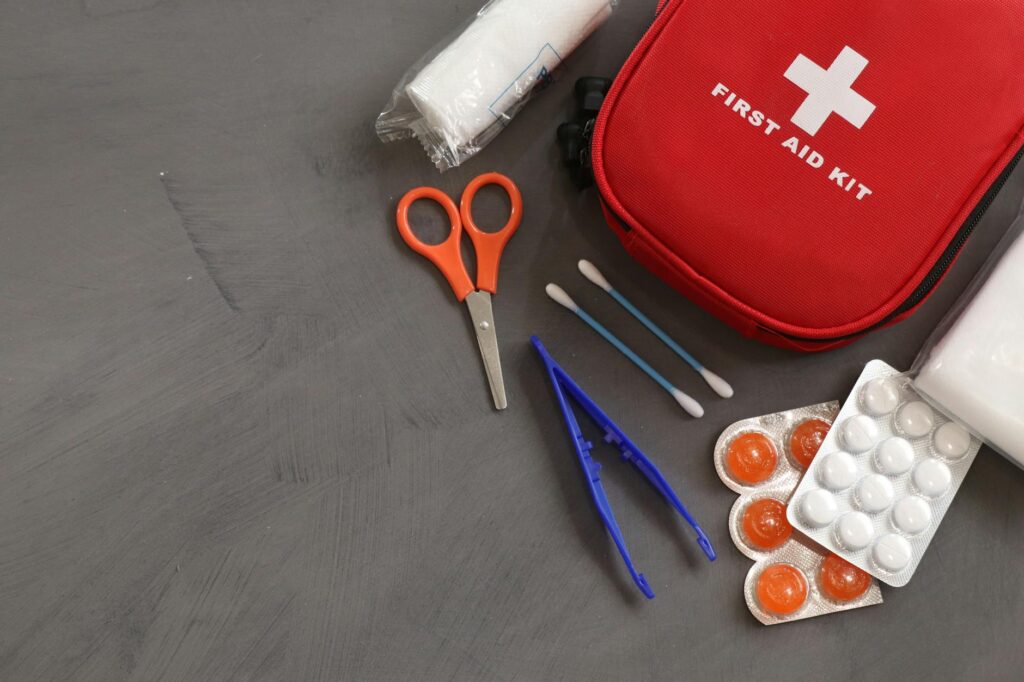
Table of Contents
Why most family kits fail the second you need them
The problem usually isn’t that families have nothing. It’s that they have a random pile of expired ointments, adult-sized gear, and half-used boxes with no system. When a child is bleeding, choking, vomiting, or panicking, chaos costs time — and time matters.
Think about the difference between “first aid kit” and “pediatric first aid kit.” Kids need smaller bandages, a thermometer that works, age-appropriate fever reducers only if your doctor says they’re okay, and items that help with the most common home injuries: cuts, scrapes, splinters, bumps, burns, and allergies. The American Academy of Pediatrics consistently emphasizes basic preparedness, not fancy gadgets.
The real goal of a family first aid kit checklist is simple: make the right thing the easy thing. That means fewer mystery items, clearer labels, and enough structure that another adult — or even an older sibling — can find what they need without guessing.
This is where the good stuff starts: the smartest kits are not the biggest ones, they’re the most usable ones.
The family first aid kit checklist for kids and home care that actually works
The best Family First Aid Kit Checklist for Kids and Home Care is built around real-life problems, not fantasy emergencies. You are far more likely to need a bandage, tweezers, saline, or a cold pack than a splint kit or a dozen specialty tools.
Here’s the core truth: a good kit should handle the first 10 minutes of a problem while you decide whether to call your pediatrician, poison control, urgent care, or emergency services. The Red Cross first aid basics and the CDC’s injury prevention guidance both point toward practical readiness, not overstuffed shelves.
What matters most: your kit should be kid-sized, easy to open, and checked often enough that expired items don’t sneak in and undermine your confidence.
- Adhesive bandages in assorted kid-friendly sizes for small cuts and scrapes.
- Sterile gauze pads and rolls for larger scrapes or bleeding that needs pressure.
- Medical tape to hold gauze in place without wrapping too tightly.
- Antiseptic wipes or gentle wound-cleaning wipes for skin around minor injuries.
- Saline solution for rinsing dirt from eyes or wounds.
- Non-latex disposable gloves for messy situations.
- Digital thermometer for accurate temperature checks.
- Instant cold pack for bumps, swelling, or minor sprains.
- Blunt-tip tweezers for splinters or debris.
- Small scissors for tape, gauze, or clothing near an injury.
- Elastic wrap for support after minor strains, if your clinician recommends it.
- CPR face shield if you want a compact option for training and emergency use.
- Emergency contact card with pediatrician, poison control, and local emergency numbers.
- Any child-specific prescription items your doctor has told you to keep on hand, stored safely and clearly labeled.
A surprising detail many families miss: the most useful item in a home kit is often not a “medical” item at all — it’s a clear instruction sheet with your child’s allergies, meds, medical conditions, and emergency contacts. In a stressed moment, memory gets messy. Paper does not.
That’s the checklist itself, but the order you build it in matters just as much.
How to build a family first aid kit checklist for kids and home care without overbuying
Don’t start by shopping. Start by sorting. A clean, kid-safe kit is built in layers: essentials first, family-specific add-ons second, and convenience items last.
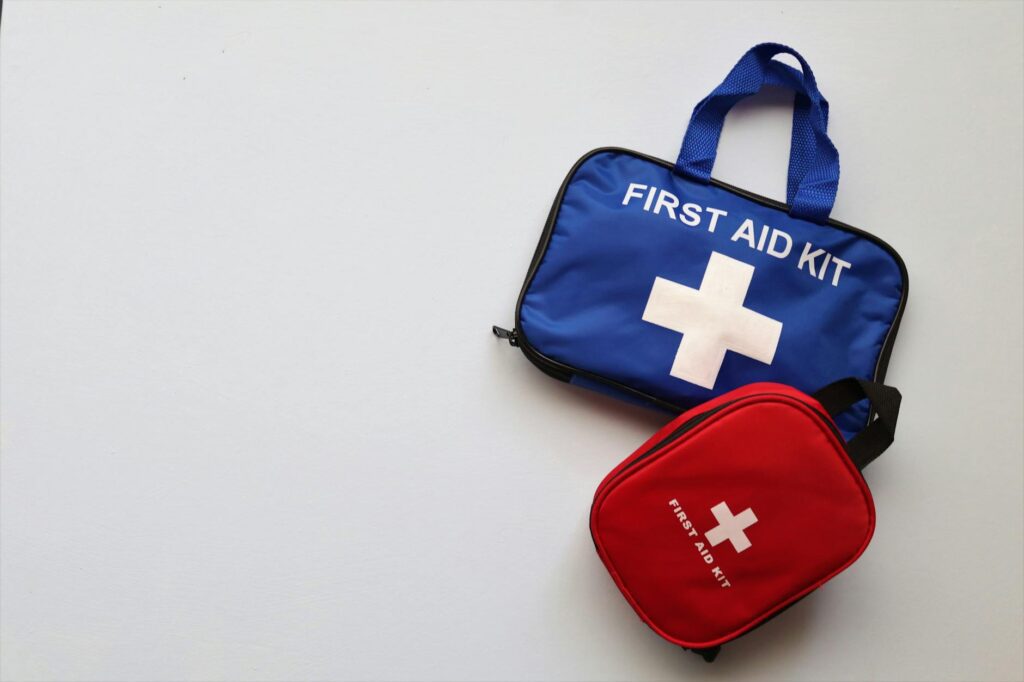
- Choose one container: Use a sturdy, easy-to-carry box or zip case with a latch, not a decorative basket that spills when bumped.
- Build the basics first: Add bandages, gauze, tape, gloves, saline, tweezers, scissors, and a thermometer before buying anything else.
- Tailor it to your child: Add allergy meds only if your pediatrician says they’re appropriate for your child, plus any prescribed emergency meds stored securely.
- Create a mini “grab sheet”: Tape a one-page guide inside the lid with emergency numbers, where the kit lives, and what to do for common issues like nosebleeds, bumps, and fever.
- Check it on a schedule: Review every three to six months, replace expired items, and restock what you actually used.
If you’re setting up a first aid kit for kids, place it where adults can reach it quickly but children cannot use it unsupervised. For most homes, that means a high shelf, a locked cabinet, or a labeled container in a pantry or hallway closet.
One more practical move: keep a smaller travel version in the diaper bag, car, or stroller. The Mayo Clinic also recommends thinking about location and accessibility, because a perfect kit is useless if it’s two floors away when a fall happens.
Once the kit is built, the next question is whether it’s actually worth trusting. The answer is yes — when it follows the evidence.
What the evidence says about home first aid preparedness
There’s a reason pediatricians keep pushing basics over bells and whistles. Most childhood injuries at home are minor, but the response still matters. The National Safety Council notes that simple first aid readiness can reduce panic and help families respond more calmly while deciding next steps.
For wounds, standard advice from the Mayo Clinic and the Cleveland Clinic focuses on cleaning, protecting, and watching for infection — not loading the kit with obscure products. For fever and pain, the safest move is to rely on your pediatrician’s guidance and current child-specific dosing instructions, because age and weight matter. The American Academy of Pediatrics’ HealthyChildren.org is a reliable place to review general fever guidance.
And here’s the surprising part: preparedness research shows that households with clear emergency routines tend to make faster decisions under stress. That doesn’t mean every family needs a giant kit. It means a simple system often beats a fancy one.
What This Actually Means for You
You do not need to turn your home into a clinic. You need a small, organized, kid-specific setup that helps you handle common problems well and decide quickly when a problem is bigger than home care. That’s the sweet spot: calm, not complicated.
For medication, wounds, or symptoms that worry you, your child’s doctor should be the final word. That’s not overcautious — that’s smart parenting.
This is also why the biggest mistakes usually come from panic shopping, not from lack of care.
The family first aid kit mistakes that make you less ready
Most families don’t fail because they ignore safety. They fail because their kit looks prepared but behaves like clutter. A good Family First Aid Kit Checklist for Kids and Home Care avoids these traps.
- Mistake #1 — Buying adult-only gear: Oversized bandages, bulky wraps, and adult medicine aren’t automatically useful for kids. Instead, build around child-sized supplies and keep medicines child-specific and doctor-guided.
- Mistake #2 — Keeping expired items: That old tube, foggy thermometer, or dried-up antiseptic wipe can give you false confidence. Check dates every few months and toss anything that’s past its prime.
- Mistake #3 — Mixing first aid with random household stuff: Scissors in a junk drawer are not a kit. Put everything in one labeled container so you aren’t hunting during a stressful moment.
- Mistake #4 — Forgetting the instructions: A kit without emergency numbers, allergy notes, or a quick reference sheet is incomplete. Add a simple one-page card so any adult can act fast.
There’s also one mistake people don’t talk about enough: overstuffing the kit because buying feels like action. Real readiness is not volume. It’s usability.
And that matters even more now, because families are managing more at home than they used to.
Why Family First Aid Kit Checklist for Kids and Home Care matters more now
More parents are juggling remote work, busier schedules, and care at home — which means small injuries often get handled before anyone drives anywhere. That makes home readiness feel less optional and more like basic household infrastructure.
Public health agencies continue to emphasize prevention, fast recognition, and age-appropriate response, not guesswork. The CDC and pediatric organizations are clear on one broader trend: families benefit when health info, emergency contacts, and supplies are easy to access before they’re needed.
That’s the larger shift here. Families are moving toward simpler, smarter preparedness — less clutter, more clarity, and better decision-making under pressure. If you have young kids, now is the right time to build that system before you need it in a hurry.
The good news? You can do most of it in under an hour.
First aid kit for kids FAQ
What should I put in a first aid kit for kids?
Start with bandages, gauze, medical tape, gloves, saline, tweezers, scissors, a digital thermometer, and a cold pack. Then add family-specific items like allergy notes, emergency contacts, and any doctor-approved prescriptions.
Where should I keep a family first aid kit at home?
Keep it in a place adults can reach fast but kids can’t access unsupervised, like a high shelf or locked cabinet. If you also need a travel version, keep a smaller kit in the car or diaper bag.
How often should I check my family first aid kit checklist?
A quick review every three to six months is a good habit. Replace expired items, restock what you used, and update contact info if anything changed.
Do I need a special pediatric first aid kit?
You don’t need anything fancy, but a pediatric first aid kit should be kid-focused rather than adult-centered. That means smaller bandages, child-appropriate tools, and medication only if it’s been cleared by your pediatrician.
What if I’m not sure whether my child needs medical care after an injury?
If the injury seems more than minor, call your pediatrician or urgent care for guidance. When in doubt, it’s always better to ask — especially if there’s bleeding that won’t stop, breathing trouble, a head injury, or a fever that worries you.
This FAQ helps with the common stuff, but the real win is knowing what to do next.
Your Family First Aid Kit Checklist for Kids and Home Care starts with clarity
The strongest Family First Aid Kit Checklist for Kids and Home Care is not the biggest one on the shelf. It’s the one that helps you act fast, stay calm, and avoid the “where is everything?” scramble when a child gets hurt. Focus on the basics, tailor it to your family, and keep it updated so the kit stays useful instead of turning into clutter.
If you do one thing today, make a list of what’s already in your home, toss the expired items, and place the essentials in one clearly labeled container. That one reset can save you a lot of stress the next time a tiny emergency turns into a big moment.
And honestly? That’s what good home care looks like — not perfect, just ready.
You’ve got this, and your future frazzled self will be very grateful.
Explore more parenting resources on AmyandRose.