Signs of dehydration in babies and toddlers can start quietly — a slightly drier diaper pattern, a mouth that looks a little sticky, a child who’s suddenly more sleepy than usual. Then, if fluid loss keeps going, things can change fast, especially in babies who have less wiggle room than older kids.
If you’ve been trying to figure out whether your child is just having an off day or actually needs medical attention, you’re in the right place — and by the end of this, you’ll know what to watch for, what to do first, and when to call the pediatrician.
[Important medical disclaimer: This article is for educational purposes only and does not constitute medical advice. Every child and family is different. Always speak with your pediatrician or a qualified medical professional before making any health-related decisions.]
Table of Contents
Why signs of dehydration in babies and toddlers can be so easy to miss
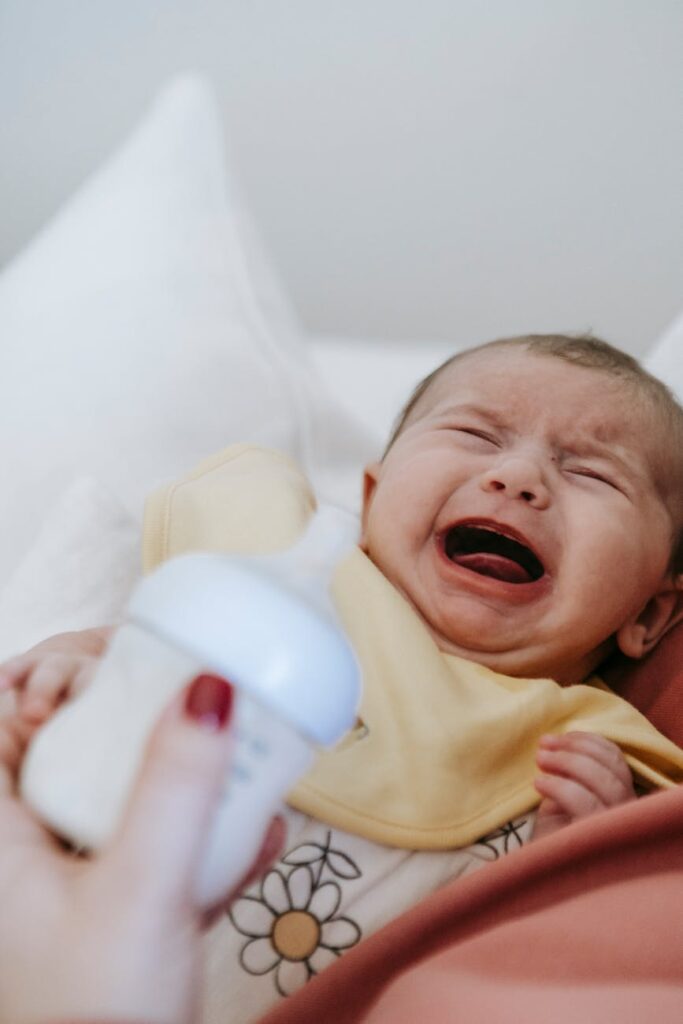
Here’s the tricky part: babies and toddlers don’t always look “thirsty” in the obvious way adults do. A baby can be dehydrated before they cry more, and a toddler can seem cranky or tired long before anyone thinks to check how much they’ve actually been drinking.
That’s why parents often miss the early clues. The signs can hide inside everyday things — fewer wet diapers, fussiness, a dry tongue, or a soft spot that looks a little sunken in babies. The American Academy of Pediatrics notes that dehydration is especially important to watch for when a child has vomiting, diarrhea, fever, or isn’t drinking well.
The real-life scenario usually looks innocent at first: your baby drank less at daycare, your toddler had a stomach bug, or your child just “seems off.” That’s exactly when parents need a clear, calm checklist — not guesswork.
Now that the red flags make more sense, let’s get to the most important truth about dehydration in little kids.
The most important truth about signs of dehydration in babies and toddlers
The single most important thing to know is this: the earliest signs of dehydration in babies and toddlers often show up in diapers, behavior, and alertness before they show up in obvious thirst. That’s why waiting for a child to “ask for water” is not a safe strategy.
Babies can lose fluid quickly because their bodies are small, and toddlers can dehydrate faster than adults when they have fever, vomiting, diarrhea, or heat exposure. Even a few missed feeds or a short stomach illness can matter more than people realize.
- Wet diapers are one of the best early clues. In babies, fewer wet diapers over several hours can be more useful than how “thirsty” they seem.
- Behavior changes matter. A child who is unusually sleepy, hard to wake, or much less playful may be showing a problem before the mouth looks dry.
- Babies don’t all show dehydration the same way. Newborns, young infants, and toddlers may each show different warning signs, which is why you need the whole picture.
- Dehydration is often tied to an illness, not a drinking problem. Vomiting and diarrhea are common drivers, and pediatric guidance from the CDC emphasizes fluid replacement when children are losing water through illness.
What this means in plain English: don’t wait for a dramatic scene. Watch the small stuff, because that’s usually where the story starts.
Once you know what matters most, the next step is learning exactly what to check at home.
What to check right now if you think your child might be dehydrated
If you’re staring at your child and trying to decide whether to worry, do this in order. Don’t overthink it. Just go point by point.
- Count the wet diapers or bathroom trips: For babies, look for fewer wet diapers than usual. For toddlers, notice whether they’re peeing much less often or their urine is darker than normal.
- Check the mouth and tears: A dry mouth, dry lips, or crying with fewer tears can be a warning sign. It’s not proof by itself, but it matters.
- Watch alertness and energy: Is your child unusually sleepy, floppy, cranky, or difficult to wake? That’s more concerning than mild fussiness alone.
- Look at the soft spot in babies: A sunken fontanelle can be a dehydration clue in infants, especially if paired with fewer wet diapers or poor feeding.
- Think about the cause: Vomiting, diarrhea, fever, hot weather, or refusing fluids all raise the risk and make dehydration more likely.
If your child is old enough to sip, small frequent drinks are usually easier to keep down than a big glass. For babies with vomiting or diarrhea, the best next move is often to contact your pediatrician for guidance, especially if feeds are being refused or symptoms are adding up.
This check only takes a couple of minutes, but it can save you a lot of anxiety — and it also helps you decide whether you need medical advice today.
The signs of dehydration in babies and toddlers that actually matter
Not every symptom carries the same weight. A slightly cranky toddler is common. A sleepy toddler who barely drinks, has dry lips, and hasn’t peed much? That’s a different story.
Here are the most important signs of dehydration in babies and toddlers, in practical order:
- Fewer wet diapers or less urine than usual: This is one of the clearest signs in infants and toddlers.
- Dry mouth and dry lips: A tongue that looks dry or sticky can be an early clue.
- No tears when crying: Especially meaningful when paired with poor intake or low urine output.
- Sleepiness, weakness, or low energy: A child who is harder to wake or not acting like themselves needs attention.
- Sunken eyes or sunken soft spot: More concerning in babies, particularly when combined with other symptoms.
- Cool hands and feet with a tired look: This can happen when dehydration is becoming more serious.
- Fast breathing or fast heartbeat: These are more worrisome signs and deserve prompt medical advice.
The pediatric hospital guidance from places like Nationwide Children’s Hospital and Mayo Clinic aligns on the big picture: the combination of symptoms matters more than any single clue.
What you’re looking for is pattern, not perfection. One small sign may be nothing; several signs together are your cue to act.
And that leads to the part most parents really want: what to do next, step by step.
What to do first when you see baby dehydration signs
When you spot baby dehydration signs, you want a plan that is calm, simple, and appropriate for your child’s age. Start here.
- Offer fluids in small, frequent amounts: For older babies and toddlers who can drink, small sips are easier than a full cup. If your child is breastfeeding or bottle-feeding, continue as advised by your pediatrician.
- Track wet diapers or bathroom trips: Write down what you notice over the next few hours. A quick note on your phone can help you tell whether things are improving.
- Watch for vomiting or diarrhea: If your child can’t keep fluids down, dehydration risk rises quickly. That’s the point where medical guidance matters more.
- Cool the environment if heat is part of the problem: Move to shade or air conditioning and remove extra layers. Heat exposure can make fluid loss worse fast.
- Call the pediatrician if the signs are stacking up: Especially if your baby is under 3 months, not feeding well, has fewer wet diapers, or seems unusually sleepy.
The CDC recommends oral rehydration solutions for children with dehydration from vomiting or diarrhea, because these are designed to replace fluids and electrolytes in a balanced way. If you’re unsure what’s appropriate for your child, your pediatrician can guide you quickly and safely.
The key is not to panic — it’s to act early, because early action is where parents have the most power.
What the research and pediatric guidance say about dehydration
Medical guidance consistently emphasizes the same thing: dehydration in babies and young children can progress faster than parents expect, and the best warning signs are reduced urine, dry mucous membranes, lethargy, and poor intake. The American Family Physician review on pediatric dehydration explains that clinical assessment works best when symptoms are considered together, not in isolation.
Research on acute gastroenteritis in children has also reinforced the value of oral rehydration. The World Health Organization and pediatric organizations worldwide continue to support oral rehydration solutions because they reduce the risk of dangerous fluid loss when used appropriately.
What this actually means for you: you do not need to memorize a dozen medical terms. You need a short list of practical cues — wet diapers, energy level, mouth moisture, feeding, and whether your child is keeping fluids down. That’s the part that helps parents make good decisions in real time.
Evidence matters here because dehydration is one of those problems where “I’ll wait and see” can feel reasonable right up until it isn’t. The good news is that the early signs are usually visible if you know where to look.
Knowing the facts also helps you avoid the common mistakes that make parents second-guess themselves.
The dehydration mistakes that trip up even good parents
These are the slip-ups I see parents make over and over. They’re understandable. They’re also fixable.
- Mistake #1 — Waiting for thirst: Babies and toddlers often won’t clearly ask for what they need. Watch diapers, behavior, and feeding instead.
- Mistake #2 — Focusing on one sign only: A dry mouth alone doesn’t tell the whole story. A dry mouth plus fewer wet diapers plus sleepiness is much more concerning.
- Mistake #3 — Assuming “a little pedialike drink” fixes everything: Fluids help, but if your child is vomiting, listless, or not peeing, you need medical advice — not just a hopeful sip test.
- Mistake #4 — Ignoring dehydration during hot weather: Heat, fever, and active play can all stack up. A child can dehydrate faster than you think on a warm day.
- Mistake #5 — Forgetting age matters: A newborn, a 6-month-old, and a 3-year-old do not show dehydration the same way. Younger babies deserve a lower threshold for calling the doctor.
The pattern here is simple: parents usually don’t miss dehydration because they don’t care. They miss it because the early signs are quiet.
That’s exactly why the next few years may make this topic even more important than it already is.
Why catching signs of dehydration in babies and toddlers matters more now than it used to
As families juggle daycare bugs, travel, hotter summers, and busier schedules, the chance of a child getting mildly dehydrated and being missed has gone up. That’s especially true when parents are trying to sort out whether a child is just tired, teething, sick, or actually losing too much fluid.
One useful trend to know: pediatric guidance has become more practical and parent-friendly over the last decade. The message is less about complicated medical jargon and more about early recognition, oral rehydration, and knowing when to escalate. That’s a win for families, because it makes the right response easier to spot.
Why should you care now? Because the earlier you recognize the pattern, the more likely you are to prevent a bad spiral — especially in infants, where a small body can change fast.
That’s also why a short FAQ can be so helpful when you’re in the middle of a stressful moment.
FAQ about signs of dehydration in babies and toddlers
How do I tell if my baby is dehydrated?
Look for fewer wet diapers, dry lips or mouth, fewer tears, unusual sleepiness, and poor feeding. If several of these show up together, call your pediatrician for advice — especially if your baby is very young.
What are toddler dehydration symptoms I should not ignore?
Watch for less peeing, dark urine, dry mouth, low energy, and crankiness that seems more extreme than usual. If your toddler is vomiting, has diarrhea, or refuses fluids, get medical guidance sooner rather than later.
How many wet diapers should a baby have?
There isn’t one perfect number for every age and situation, but fewer wet diapers than usual is the key warning sign. If you notice a clear drop from your baby’s normal pattern, check in with your pediatrician.
Can dehydration happen without fever?
Yes. Babies and toddlers can become dehydrated from vomiting, diarrhea, not drinking enough, or hot weather even without a fever. Fever can increase risk, but it’s not required.
When should I go to urgent care or the ER?
If your child is hard to wake, breathing fast, has very few or no wet diapers, can’t keep fluids down, or seems weak and unresponsive, seek urgent medical care. When in doubt, trust your gut and get help — and if you’re unsure, call your pediatrician right away.
The clearest way to read signs of dehydration in babies and toddlers
Signs of dehydration in babies and toddlers are usually less about one dramatic symptom and more about a cluster of small changes: fewer wet diapers, dry mouth, low energy, and trouble keeping fluids down. That’s the pattern that matters.
If you remember nothing else, remember this: don’t wait for your child to look “really sick” before you take dehydration seriously. Babies and toddlers can slide from mildly dehydrated to more concerning much faster than older kids.
Your next move is simple: check diapers, check behavior, and if the signs are stacking up, call your pediatrician today. That one call can turn uncertainty into a clear plan.
And if you’re staring at a baby or toddler right now and worrying, that worry is worth listening to.
Here’s to catching the small signs early, and giving your child exactly what they need when it matters most.