Baby-Led Weaning vs Purees: Which Is Best? is usually the question parents ask after staring at a spoon in one hand and a banana in the other, wondering if they’re about to do this “wrong.” The honest answer: for most babies, the best approach is the one that helps them safely learn to eat, not the one that wins an internet debate.
If you’ve been spinning your wheels trying to figure out how to start baby on solids, you’re in the right place — and by the end of this, you’ll have a clear, practical path forward.
Important: The information in this article is for educational purposes only and does not constitute medical advice. Every child and family is different. Always speak with your pediatrician or a qualified medical professional before making any health-related decisions.

Table of Contents
Why Baby-Led Weaning vs Purees Feels So Confusing
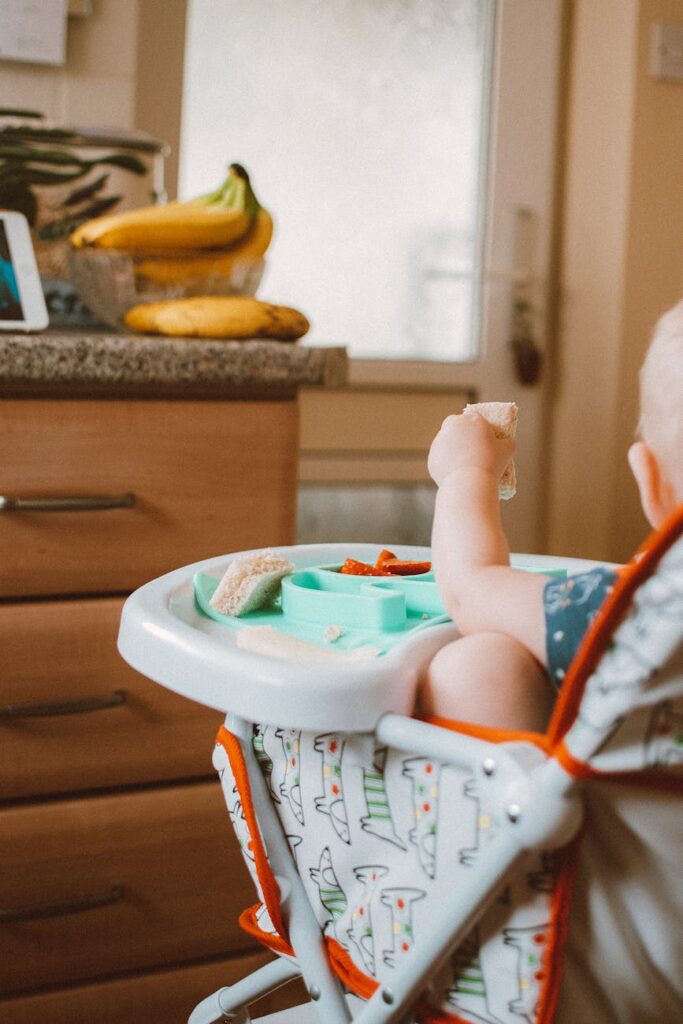
You’re not imagining the pressure. One camp says purees are safer and more traditional. Another says baby-led weaning builds independence, reduces picky eating, and helps babies self-regulate. Then you look at your actual baby — who may be drooling, smearing, gagging, or refusing everything — and the whole thing feels weirdly high-stakes.
That stress makes sense because feeding is emotional. It’s not just nutrition; it’s sleep, growth, mess, money, and that tiny voice in your head asking whether you’re setting up good habits or bad ones. The truth is much simpler than the online arguments make it sound: most healthy babies don’t need one perfect method. They need a safe, responsive way to practice eating.
Research from major health organizations, including the American Academy of Pediatrics and the NHS starting solids guidance, consistently emphasizes readiness signs, texture progression, and close supervision over one “best” feeding ideology. That’s where the real answer starts.
This is the part most people miss: the choice is usually not baby-led weaning or purees. For many families, the smartest path is a blended approach that respects baby’s developmental stage and your real-life sanity. And yes, that’s allowed.
Now let’s talk about the core truth that clears up most of the confusion.
Baby-Led Weaning vs Purees: The Real Answer Is Not Either-Or
The most useful way to think about baby led weaning vs purees is this: neither method is magic, and neither is automatically better for every baby. The best approach is the one that matches your baby’s readiness, your comfort level, and your ability to offer safe, nutrient-rich foods consistently.
Baby-led weaning usually means offering soft finger foods from the start and letting baby self-feed. Purees usually mean spoon-feeding smooth or mashed foods first, then gradually moving to thicker textures and finger foods. Both can support healthy development when done well. What matters most is not the label — it’s the feeding environment.
Related resource: How to Wean from Breastfeeding Gently and Gradually.
- Baby-led weaning benefits often include more practice with self-feeding, family meal participation, and texture exposure early on.
- Purees can make it easier to deliver iron-rich foods and keep meals less chaotic in the beginning.
- Puree vs finger foods baby isn’t a competition if you use both strategically.
- Babies benefit most when caregivers respond to hunger and fullness cues instead of forcing bites.
Here’s the surprising part: a 2020 randomized trial in the journal JAMA Pediatrics found no major difference in weight outcomes between baby-led and traditional spoon-feeding approaches when families were supported appropriately. In other words, the method alone didn’t determine success — the feeding pattern did. That’s a big deal, because it means you can stop looking for a perfect ideology and start building a workable routine.
What This Actually Means for You
If purees feel easier, that doesn’t make you behind. If baby grabs food and wants to self-feed, that doesn’t mean you must abandon the spoon forever. The goal is a baby who learns to eat safely, gets enough iron and energy, and develops trust around food. That can happen through purees, finger foods, or a mix of both.
And once that clicks, the next step gets much less scary: setting up a feeding plan that actually works at your kitchen table.
How to Start Baby on Solids Without Overthinking It
If you want a practical plan for starting solids baby can actually succeed with, keep it simple. You do not need a 40-page feeding strategy. You need a safe setup, a few reliable foods, and a repeatable rhythm.
- Check readiness first: Look for strong head and neck control, the ability to sit with support, reduced tongue-thrust reflex, and interest in food. Most babies start around 6 months, but readiness matters more than the calendar.
- Choose one low-stress mealtime: Start with one meal a day when your baby is alert, not overtired. Sit them upright in a high chair with a footrest if possible.
- Offer iron-rich foods early: Iron-fortified infant cereal, soft shredded meat, lentils, beans, tofu, and well-cooked egg are all smart first options. The CDC and AAP both emphasize iron because babies’ stores begin to drop in the second half of the first year.
- Use texture wisely: If you’re doing purees, move quickly toward thicker textures and mashed foods. If you’re doing baby-led weaning, choose soft foods that squish between your fingers, like ripe avocado slices or steamed carrot sticks.
- Repeat without pressure: Offer the same food many times. Babies often need repeated exposures before accepting a taste, smell, or texture. Keep it calm. Keep it boring. That works better than making every meal a performance.
The key is to think “practice,” not “portion.” Early solids are about learning, not replacing breast milk or formula right away. The first months are a bridge, not a race.
Once you understand the mechanics, it helps to look at what the evidence actually says about safety, development, and outcomes.
What the Research Says About Baby-Led Weaning vs Purees
Parents want a clean winner. The research doesn’t hand one to either side.
In the popular BLISS study from New Zealand, published in Pediatrics, baby-led weaning style feeding did not increase iron deficiency or undernutrition when families were supported with clear guidance and iron-rich foods. That matters because one of the biggest fears around baby-led weaning is that babies won’t eat enough. The study suggests the risk is not the method itself — it’s a poorly planned version of the method.
The CDC’s current guidance on introducing solid foods stresses that babies need developmentally appropriate textures and supervision, while the NHS also notes that many babies do well with a mix of spoon-feeding and finger foods. Meanwhile, a 2019 systematic review in Archives of Disease in Childhood found the evidence base for baby-led weaning was limited, with promising but not definitive findings. Translation: the hype has outrun the data in some places.
What the evidence does support is this: babies need iron, safe textures, frequent exposure, and relaxed caregivers. A feeding style that helps you deliver those things consistently is the one worth choosing.
What This Actually Means for You
If you read a headline saying “baby-led weaning prevents picky eating,” take a breath. That claim is stronger than the science. On the flip side, if someone tells you purees delay development, that’s also overstated. The real win is variety, progression, and responsiveness — not purity of method.
If you want the official baseline, the CDC guidance on starting solid foods is a solid place to sanity-check your plan.
And because good information is only useful if it keeps you out of trouble, let’s talk about the mistakes that trip parents up most often.
The Baby Feeding Mistakes That Create Mess and Meltdowns
Most feeding problems don’t come from choosing the “wrong” method. They come from mismatched expectations, rushed transitions, or unsafe food shapes. Here are the big ones I see parents stumble over again and again.
- Mistake #1 — Treating baby-led weaning like a dare: Offering hard, round, sticky, or unsafe foods because they’re “BLW-approved” on social media is reckless. What to do instead: choose soft, graspable foods and learn basic choking-prevention rules from reputable sources like the AAP HealthyChildren feeding guidance.
- Mistake #2 — Staying on smooth purees too long: Some parents get comfortable and never move textures forward. What to do instead: gradually thicken purees and introduce mashed, soft-lumpy foods as your baby shows readiness.
- Mistake #3 — Focusing on volume instead of variety: Babies are not tiny adults with three-course appetites. What to do instead: aim for repeated exposure to iron, vegetables, fruit, dairy if appropriate, and allergen-containing foods as advised by your clinician.
- Mistake #4 — Forcing bites or playing airplane spoon: Pressure can make feeding stressful fast. What to do instead: let baby decide how much to eat from what you offer, and keep the tone calm.
- Mistake #5 — Ignoring the family’s real life: A method that makes you anxious every day is not “better.” What to do instead: choose the plan you can follow consistently, even on messy Tuesdays.
One more thing people rarely say out loud: the “best” feeding method is the one you can do safely when you’re tired, busy, and distracted. That’s not a compromise. That’s good parenting in the real world.
And the real world is changing fast, which matters more than most parents realize.
Why This Debate Will Only Get Bigger From Here
Baby feeding advice is becoming more personalized, not less. Parents are asking better questions about allergy exposure, iron intake, texture progression, and responsive feeding — and pediatric guidance is moving in that same direction.
That shift matters because the old “just start with rice cereal and wait” approach is fading. Current recommendations from organizations like the AAP and the World Health Organization emphasize nutrient density, safe feeding practices, and continued breast milk or formula alongside solids. The bigger trend is clear: the future of infant feeding is less about rigid rules and more about informed, flexible care.
There’s also a growing recognition that feeding is about relationship, not just nutrients. Babies who are allowed to explore food calmly often become better eaters over time — not because of one method, but because they’re being taught that meals are safe, predictable, and low drama. That’s the piece worth caring about now.
Before we wrap up, let’s answer the questions parents search for when they need quick reassurance.
Baby-Led Weaning vs Purees: FAQs
Is baby-led weaning better than purees for preventing picky eating?
There isn’t strong evidence that one method prevents picky eating on its own. What matters more is repeated exposure, calm mealtimes, and a wide variety of textures and flavors. If you’re worried about your child’s eating patterns, bring it up with your pediatrician.
Can I do both baby-led weaning and purees?
Yes — and for many families, that’s the easiest path. You might spoon-feed oats at breakfast and offer soft avocado or steamed vegetables later in the day. A mixed approach often gives babies more practice without making meals chaotic.
What are the safest first foods for starting solids baby?
Soft foods that are easy to mash are a smart start: avocado, banana, well-cooked vegetables, yogurt if appropriate, eggs, beans, lentils, and iron-fortified cereals. Always supervise closely and ask your doctor if you have questions about allergens, prematurity, reflux, or feeding concerns.
When should I worry if my baby gags a lot?
Gagging is common when babies are learning to manage textures, and it’s different from choking. Still, if gagging seems severe, frequent, or stressful for you, check in with your pediatrician or a feeding specialist so you can rule out safety issues and get personalized guidance.
Do I need special equipment for baby-led weaning?
No, but a stable high chair, foot support, and appropriately sized utensils can make meals easier. The most important thing is the setup: upright position, close supervision, and foods that match your baby’s developmental stage.
The Best Choice for Baby-Led Weaning vs Purees Is the One You Can Do Well
Baby-Led Weaning vs Purees: Which Is Best? For most families, the answer is not a dramatic either-or. The best approach is the one that helps your baby practice eating safely, get enough iron and energy, and build a healthy relationship with food without turning your kitchen into a battleground.
If purees feel right, use them — then move textures forward on purpose. If baby-led weaning feels right, use it — but do it safely and nutritionally. And if the honest answer is “both,” that’s not indecision. That’s wisdom.
Your next move is simple: pick one meal tomorrow, choose one iron-rich food and one soft fruit or vegetable, and offer them calmly with no pressure. Then watch what your baby does, and let that guide the next meal.
You’re doing better than you think.