When to Introduce Allergenic Foods to Baby Safely is one of those questions that can keep a parent up at night, especially when the first spoonful feels weirdly high-stakes. One day you’re celebrating purees, and the next you’re staring at a jar of peanut butter like it’s a science experiment.
If you’ve been second-guessing every bite, you’re not overreacting — you’re being careful. The good news is that the safest path is also simpler than most people think, and by the end of this guide you’ll know exactly how to move forward with confidence.
[Important disclaimer: This article is for educational purposes only and does not constitute medical advice. Every child and family is different. Always speak with your pediatrician or a qualified medical professional before making any health-related decisions.]
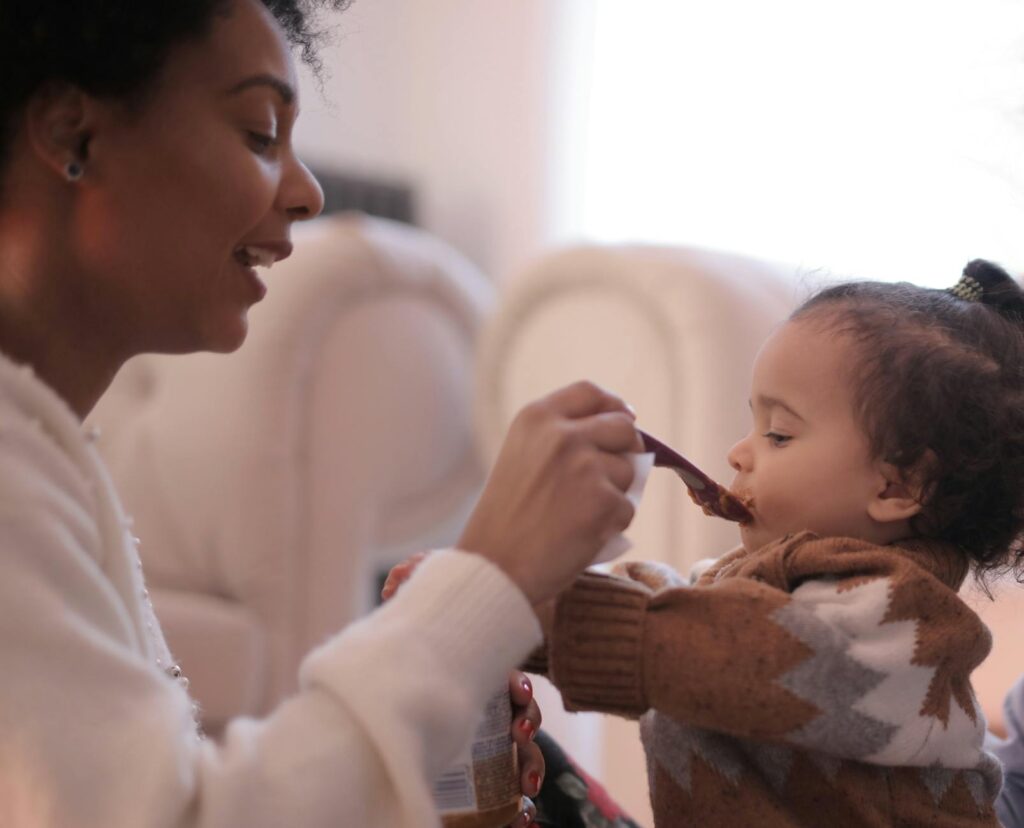
Table of Contents
Why introducing allergens to baby feels so much scarier than it should

Most parents don’t fear carrots or bananas. They fear the foods that might cause a rash, swelling, vomiting, or a trip to urgent care. That fear is understandable — food allergy is real, and the stakes feel huge when the person eating is tiny and can’t tell you what’s wrong.
Here’s the part that surprises a lot of families: waiting too long to introduce allergenic foods is not the safety win it used to seem like. In fact, modern pediatric guidance has shifted toward earlier introduction for many babies because delaying may increase allergy risk rather than reduce it. The American Academy of Pediatrics and other major groups now support early peanut introduction for many infants, especially after the landmark LEAP study showed a major reduction in peanut allergy among high-risk babies who ate peanut regularly starting in infancy.
That doesn’t mean “give everything all at once.” It means timing and method matter more than fear-driven delay. And that’s exactly where the real clarity begins.
Next, let’s get to the central truth that makes this whole topic much less intimidating.
The real answer on when to introduce allergenic foods to baby: earlier, but carefully
The core insight is simple: for most babies, allergenic foods are introduced once they’re developmentally ready for solids, not months or years later. That usually means around 4 to 6 months, but the right time is based on readiness signs and your pediatrician’s guidance, especially if your baby has eczema, existing food reactions, or a strong family history of allergy.
This is not about rushing. It’s about not unnecessarily postponing foods like peanut, egg, dairy, wheat, soy, fish, shellfish, sesame, and tree nuts once your baby is ready for solids.
- Early introduction can be protective. The 2015 LEAP trial found that high-risk infants who regularly consumed peanut had far lower peanut allergy rates later than those who avoided it.
- Egg matters too. Research has also supported early egg introduction for some infants, though the safest approach is age-appropriate and well-cooked, not raw or undercooked egg products.
- Readiness matters more than the calendar. A baby who can sit with support, has decent head control, and shows interest in food is usually a better candidate than a baby who simply hit a date on the calendar.
- Risk level changes the plan. Babies with severe eczema or a known egg allergy may need a more tailored plan, which is why pediatric input is so valuable before peanut introduction.
For parents who want to read the underlying guidance, the NIAID food allergy prevention guidelines are a strong place to start, and they line up with the broader direction of current allergy prevention advice.
So the main idea is not “avoid allergens until later.” It’s “introduce them thoughtfully, once your baby is ready, and don’t make delay your default.”
Now that the why is clear, the next step is figuring out exactly how to do it safely at home.
How to introduce allergenic foods to baby safely without turning mealtime into panic hour
You do not need a sterile lab setup. You do need a calm plan, a safe texture, and a little structure. Here’s the simplest way to do it.
- Confirm your baby is ready for solids: Look for solid-food readiness signs like good head control, sitting with support, and showing interest in food. If your baby is younger than 4 months or not ready developmentally, wait and check in with your pediatrician.
- Choose one allergen at a time: Start with a small amount of a single food so you can tell what your baby tolerated. For example, offer a tiny smear of thinned peanut butter or a spoon of well-cooked scrambled egg rather than mixing several new foods together.
- Use age-safe textures: Never serve whole nuts, globs of nut butter, or hard chunks that can choke. Thin peanut butter with warm water, breast milk, formula, or yogurt; make nut powders into puree; and keep textures soft and mashable.
- Offer it earlier in the day: Give the new food when your baby is awake and you can watch them for a few hours. That way, if a reaction happens, you’re not trying to sort it out at bedtime.
- Repeat it regularly if tolerated: One bite is not the goal. Continued exposure matters, so keep allergenic foods in the rotation in forms your baby can handle. Ask your pediatrician how often makes sense for your child.
For practical choking-safety guidance, the American Academy of Pediatrics’ choking prevention advice is worth bookmarking before you start.
Once you know the method, the next question is what the evidence actually says about why this approach works.
What the research on baby food allergy introduction actually shows
The biggest shift in this field came from a few well-designed studies, not internet opinion. The LEAP trial, published in The New England Journal of Medicine, found that early peanut consumption in high-risk infants dramatically reduced peanut allergy by age 5 compared with avoidance. That changed the conversation worldwide.
Then came the EAT study, which looked at early introduction of multiple allergenic foods and found that real-world success depends on whether families can consistently offer the foods. In other words, the science supports early introduction — but only if the food is actually eaten, not just introduced once and forgotten.
Public health guidance followed suit. The CDC and allergy organizations increasingly emphasize early, developmentally appropriate introduction, with extra caution for infants at higher risk. Babies with severe eczema or a known egg allergy may need an allergist-guided plan, especially before peanut.
“The best way to prevent a food allergy may be to feed the food, not fear it.” — common clinical takeaway from modern allergy prevention guidance
What this actually means for you
You do not need to wait until toddlerhood. You do not need to introduce every allergen in one sitting. And you do not need to act alone if your baby has higher risk factors. The evidence points to a calm middle ground: introduce safely, start when developmentally ready, and keep the food in regular rotation if there’s no reaction.
That said, even the best plan can go sideways if a parent falls into a few very common traps.
The mistakes that make allergen introduction harder than it needs to be
Most scary moments around allergenic foods come from avoidable mistakes, not from the food itself. If you can sidestep these, you’re already ahead of the curve.
- Mistake #1 — Waiting for “older” to mean “safer”: A lot of parents delay peanuts, egg, or sesame because the foods feel risky. The problem is that unnecessary delay can remove the potential protective benefit of early exposure. Instead, ask your pediatrician when your baby is ready and make a plan.
- Mistake #2 — Serving the wrong texture: Whole nuts, sticky spoonfuls of nut butter, and hard chunks are choking hazards, not allergy-prevention tools. Use smooth, thinned, or pureed forms that match your baby’s developmental stage.
- Mistake #3 — Introducing allergens when you’re distracted: A rushed meal, a busy restaurant, or bedtime is not the moment to test a new food. Choose a calm time when you can observe your baby closely.
- Mistake #4 — Assuming one bite means “we’re done”: Tolerance usually comes from repeated exposure, not a heroic single meal. If your baby handles a food well, keep offering it regularly in safe forms.
If your baby has ever had eczema flare strongly, vomiting after feeds, hives, or you’ve seen a reaction before, loop in your pediatrician before trying the next allergen. That small step can save you a lot of stress.
And because this topic is changing fast, it helps to look at where pediatric guidance is headed next.
Why this matters even more for the next generation of parents
Food allergy prevention is no longer a niche topic. It sits right at the intersection of infant feeding, public health, and family anxiety, which is why you’re seeing more discussion in pediatric clinics, parenting groups, and school policy conversations. As allergy rates remain a major concern in many countries, early prevention strategies are becoming more important, not less.
One forward-looking shift is the move toward more individualized guidance: not every baby gets the same advice, and that’s a good thing. The future of baby food allergy introduction is less blanket fear and more risk-based, practical feeding plans — especially for babies with eczema or a prior reaction history.
That matters now because the early feeding window doesn’t last forever. Once it closes, parents lose the chance to make these decisions while habits are easiest to shape.
Before you go, here are the questions parents search for most often — the ones that usually decide what happens next.
FAQ about introducing allergenic foods to baby
When should I introduce peanuts to my baby?
For many babies, peanut can be introduced once they’re developmentally ready for solids, often around 4 to 6 months, but the timing depends on your baby’s health and allergy risk. Babies with severe eczema or egg allergy should be discussed with a pediatrician before peanut introduction. A little planning here goes a long way.
What are the most common allergenic foods for babies?
The most common allergenic foods include peanut, egg, milk, wheat, soy, fish, shellfish, sesame, and tree nuts. You do not need to avoid these foods by default if your baby is ready for solids; the safer approach is thoughtful introduction and observation. If you’re unsure about a specific food, check with your child’s doctor first.
How do I know if my baby is having an allergic reaction?
Common signs can include hives, facial swelling, vomiting, coughing, wheezing, or unusual fussiness soon after eating. Severe symptoms need immediate medical attention. If something seems off after a new food, contact a qualified medical professional right away.
Should I wait three days between new foods?
That old rule is more about making it easier to spot a reaction than about allergy prevention. Some families still like a spacing system for clarity, and that’s fine if it helps you feel organized. Your pediatrician can help you decide what rhythm makes sense for your baby.
Is it safe to introduce allergens at home?
For many healthy babies, yes, home introduction is common and appropriate when the food is served in a safe texture. But if your baby has severe eczema, a known egg allergy, or past reaction symptoms, you should get personalized guidance first. That extra step is worth it.
When to introduce allergenic foods to baby without the fear
The clearest answer to when to introduce allergenic foods to baby safely is this: once your baby is ready for solids, introduce them thoughtfully instead of delaying out of fear. The evidence supports early, age-appropriate introduction for many infants, especially for peanut, and the safest approach is simple — one food at a time, in a safe texture, when you can watch your baby closely.
You do not need to guess your way through this. You just need a plan that matches your baby, not the loudest advice on the internet. If your child has eczema, a prior reaction, or you’re feeling unsure about the next step, call your pediatrician and ask for a specific allergen-introduction plan today.
Here’s to feeding your baby with more confidence and a lot less fear — one careful spoonful at a time.
Explore more parenting resources on AmyandRose.