
Parental burnout doesn’t usually announce itself with a dramatic crash. More often, it sneaks in as the morning dread, the snapping at tiny things, and the weird feeling that you’re caring for everyone except yourself.
If you’ve been running on fumes and wondering whether this is just a hard season or something deeper, you’re in the right place — and by the end of this, you’ll know what parental burnout looks like, why it happens, and what actually helps you recover.
Important: [Important: The information in this article is for educational purposes only and does not constitute medical advice. Every child and family is different. Always speak with your pediatrician or a qualified medical professional before making any health-related decisions.]
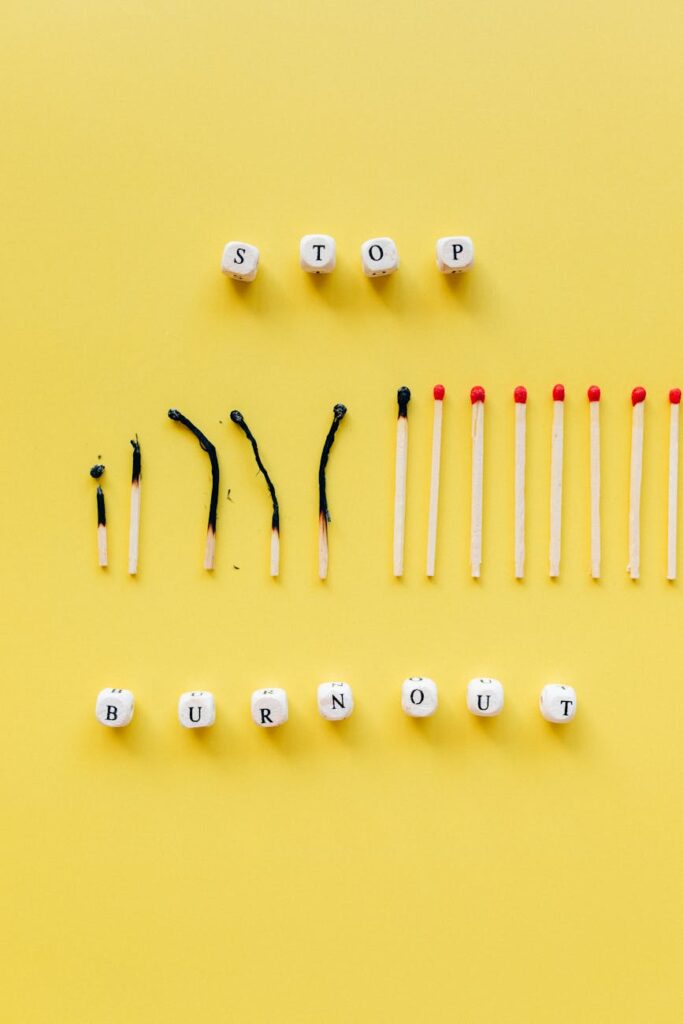
Table of Contents
Why parental burnout feels so heavy when “just being tired” doesn’t explain it
You can be exhausted and still feel basically like yourself. Parental burnout is different. It’s what happens when the demands of caregiving keep piling up while your emotional and physical reserves stay flat or shrink.
That’s why so many parents describe feeling numb, detached, or ashamed — not merely sleepy. In a major review published by the World Health Organization’s ICD-11 framework, burnout is tied to chronic workplace stress, but researchers studying parental burnout have identified a similar pattern at home: overwhelming exhaustion, emotional distancing from children, and a sharp drop in your sense of effectiveness as a parent.
The hard part is that it can hide in plain sight. A parent might still show up for school drop-off, pack lunches, and answer messages, while quietly feeling like they’re disappearing inside their own life.
That’s why understanding the signs of parenting burnout matters so much: once you can name it, you can stop blaming yourself for what is actually a strain problem, not a character flaw.
What parental burnout really is and why it hits so hard
The clearest finding in the research is also the most relieving: parental burnout is not the same as ordinary stress. It’s a specific pattern that builds when the gap between parenting demands and available resources stays wide for too long.
Belgian psychologist Moïra Mikolajczak and colleagues, who are among the leading researchers on the topic, describe the condition as a mix of three core features: intense exhaustion related to parenting, emotional distancing from children, and a sense that you’re no longer the parent you used to be. That trio shows up again and again in the literature, including work summarized in the journal Frontiers in Psychology.
Here’s the non-obvious part: parental burnout is often linked not only to too much work, but to a painful mismatch between your parenting identity and your day-to-day reality. If you expected yourself to be patient, playful, organized, and emotionally present all the time, the gap can feel crushing.
And no, burnout is not a sign that you don’t love your child enough. In fact, many burned-out parents care deeply — they’re just depleted enough that love starts feeling buried under pressure.
- Key supporting point: Burnout often shows up as emotional flatness, not just crying or panic. You may feel oddly detached, like you’re watching yourself parent from the outside.
- Key supporting point: Research has found links between parental burnout and higher conflict at home, which means the problem can spill into the whole family system if it keeps building.
- Key supporting point: Parents with fewer supports, high perfectionism, or little recovery time are at higher risk — especially when there’s no break from caregiving.
- Key supporting point: For many families, the issue isn’t one huge crisis. It’s repeated small overloads that never get balanced by enough rest, help, or autonomy.
If that sounds uncomfortably familiar, don’t panic — the next step is figuring out exactly what to do about it.
The parental burnout recovery plan that actually works
The fastest way to recover from parenting burnout is not to “push through” harder. It’s to lower the load, rebuild recovery, and stop trying to heal in the same conditions that wore you down.
Think of this as a reset, not a personal reinvention. You don’t need a perfect morning routine; you need breathing room, fewer decisions, and a realistic plan your actual life can support.
- Name the overload honestly: Write down what is draining you most right now — sleep loss, toddler resistance, school logistics, work stress, lack of partner support, sensory overload, or all of the above. Be specific. “I’m overwhelmed” is true, but “I’m carrying bedtime, meals, and every appointment alone” is useful.
- Cut one nonessential demand this week: Cancel the extra activity, simplify dinner, order groceries, skip the Pinterest-level birthday setup, or let the laundry sit. Recovery starts when something gives. One visibly lighter week can do more than another productivity system.
- Build real micro-recovery into the day: Not a fantasy spa day. I mean 10 minutes of sitting in the car before going inside, a solo walk around the block, headphones during cleanup, or one protected cup of coffee without being interrupted. Small recovery moments matter because they interrupt the stress cycle.
- Ask for specific help, not general help: “Can you take the kids from 6 to 7 on Thursday?” works better than “I need more support.” People respond better to clear jobs than vague distress.
- Check whether you need outside support: If you’re feeling numb, panicky, hopeless, or unable to function, talk with a therapist, doctor, or pediatrician-appropriate family health professional. You do not have to wait until you’re falling apart to deserve help.
One practical note: if sleep deprivation, anxiety, postpartum depression, or another medical issue is part of the picture, recovery may need professional treatment too. That’s where a qualified clinician can help you sort out what’s burnout and what’s something more.
Once you know the recovery steps, it helps to see the evidence behind why these changes matter.
What the research says about parental burnout and recovery
Researchers have now studied parental burnout across countries, and the pattern is strikingly consistent. A 2022 review in peer-reviewed studies on parental burnout found links to depression, anxiety, sleep problems, and more family conflict. That doesn’t mean burnout automatically becomes a clinical disorder, but it does mean the body and mind pay a real price when caregiving stress stays chronic.
One of the most widely cited findings comes from work led by Mikolajczak’s team: parental burnout is strongly associated with emotional neglect and parental escape ideation in severe cases. That’s not the norm for every exhausted parent, but it’s exactly why early recognition matters. Burnout is easier to treat before it hardens into deeper disconnection.
There’s also an important protective factor that gets overlooked: perceived balance. Parents who feel they have at least some control over their time, expectations, and support tend to fare better than parents who are endlessly “on.”
For broader context, the U.S. Centers for Disease Control and Prevention has long documented how chronic stress affects sleep, mood, and health through the stress response system, which helps explain why parents in prolonged overload often feel physically sick, not just mentally tired. You can read more on stress and health through the CDC’s guidance on stress and coping.
What this actually means for you: If your body feels like it’s constantly bracing — tense jaw, headaches, irritability, brain fog, shallow breathing — that’s not you being dramatic. It’s your nervous system waving a flag. The fix is not more guilt. It’s less load, more recovery, and support that matches the size of the problem.
Now let’s talk about the traps that keep parents stuck longer than they need to be.
The mistakes that make parenting burnout last longer
Most parents don’t recover from burnout because they keep treating it like a motivation problem. It’s not. These are the patterns that quietly keep the fire burning.
- Mistake #1 — Calling it “just a rough week” forever: People minimize burnout because naming it feels scary. But if your exhaustion has lasted for months, it’s not a bad week — it’s a system issue. Start by tracking patterns for 7 days so you can see what’s actually happening.
- Mistake #2 — Waiting for a magical break: A vacation helps, but it doesn’t fix a life that’s structurally overloaded. Instead of waiting for a big escape, build tiny weekly relief: one childcare swap, one meal shortcut, one protected hour.
- Mistake #3 — Trying to parent like a machine: Burned-out parents often demand perfect patience from themselves while running on empty. That backfires. Lower the standard to “safe, steady, good enough” until your capacity returns.
- Mistake #4 — Keeping it secret out of shame: Shame keeps parents isolated, and isolation makes burnout worse. Tell one trusted person the truth in plain language: “I’m not okay, and I need help with the load.”
The big theme here is simple: burnout thrives in silence, perfectionism, and over-responsibility. Break any one of those, and you create room for healing.
And this matters now more than ever, because the pressure on parents isn’t slowing down.
Why parental burnout is becoming even more common
Parenting has gotten louder, faster, and more surveilled. Between work expectations, school demands, social comparison, and the constant hum of digital life, many families are trying to function in a state of permanent interruption.
That’s part of why researchers and clinicians are paying more attention to parental burnout now. As family life becomes more demanding and less communal, the old assumption that parents should simply “manage” without structural support looks increasingly unrealistic. The broader mental health conversation is finally catching up to what many caregivers already know: you can’t pour from a cup that never gets refilled.
“We often overestimate what we can do in one year and underestimate what we can do in ten.” — Bill Gates
That quote lands here because burnout recovery usually isn’t one dramatic fix. It’s a sequence of small, honest changes that make life more livable over time. The families who do best are rarely the ones who do everything. They’re the ones who reduce friction early and ask for support before they collapse.
And if you’re reading this while already at your limit, that’s your cue to act now, not later.
Parental burnout FAQ
How do I know if I have parental burnout or just normal stress?
Normal stress usually comes and goes with the situation. Parental burnout tends to last, feel emotionally draining, and show up as exhaustion, detachment, and feeling ineffective as a parent. If you’re unsure, a pediatrician, therapist, or primary care clinician can help you sort through what’s going on.
Can parental burnout affect my child?
Yes, especially if it lasts a long time and starts affecting patience, connection, or consistency at home. That doesn’t mean you’ve failed; it means the stress is spilling over, which is exactly why support matters. If this is happening in your family, bring it up with a qualified professional sooner rather than later.
What is the first thing to do when I feel burned out as a parent?
Cut one demand and create one real recovery window in the next 24 hours. Even a small change — canceling a plan, asking for help, or protecting 15 quiet minutes — can interrupt the spiral. Then look at what’s driving the overload so the same pattern doesn’t restart tomorrow.
Does parental burnout go away on its own?
Sometimes symptoms ease when the season changes, but many parents stay stuck if the load never drops. Burnout usually improves faster when you actively reduce stressors, increase support, and get professional help if needed. If your mood, sleep, or functioning is getting worse, check in with a medical or mental health professional.
Is it normal to feel angry when I’m burned out?
Yes. Irritability and anger are common parent burnout symptoms because your nervous system is already overloaded. What matters is how often it’s happening and whether you’re getting support before it turns into chronic resentment or disconnection.
Parental burnout is a signal, not a failure
Parental burnout is your life telling you something is out of balance. Not that you’re weak. Not that you’re a bad parent. Just that the load has outgrown your current support, and your mind and body are asking for relief.
The good news is that this is not a moral verdict. It’s a solvable problem when you name it early, reduce pressure, and get help where you need it. If you do one thing today, make it this: write down the three biggest drains on your energy and choose one to reduce before the week ends.
You don’t need to fix everything at once. You just need to stop carrying it all alone.
You’re not the only one who’s been holding too much for too long — and you deserve relief, not just resilience.