RSV in babies is one of those illnesses that can look mild on Monday and turn frightening by Wednesday. A runny nose and a little cough may not sound like much — until you notice your baby working harder to breathe, feeding less, or just seeming “off” in a way that’s hard to explain.
If you’re trying to figure out what’s normal, what’s not, and when RSV becomes serious, you’re in the right place. By the end of this, you’ll know what RSV symptoms in infants actually look like, what treatment really helps, and exactly when to call your pediatrician.
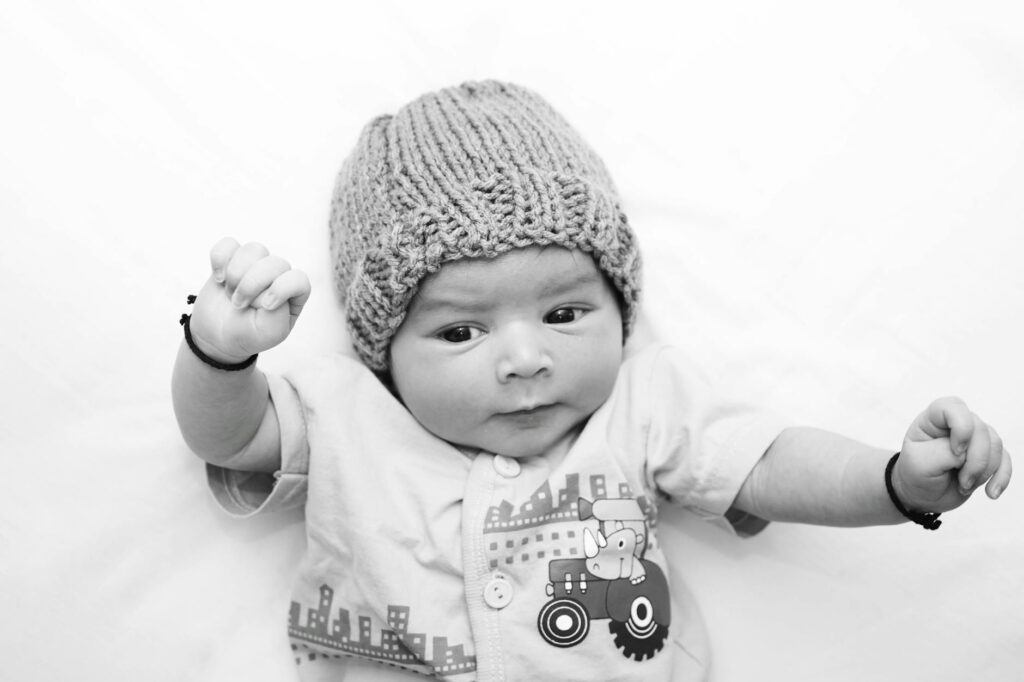
Table of Contents
What RSV in babies looks like before it starts looking scary
Here’s the part that catches so many parents off guard: RSV in babies often begins like a common cold. You may see a stuffy nose, sneezing, a mild cough, fussiness, or trouble finishing feeds. In many babies, those early symptoms stay manageable. But in young infants, especially newborns and babies under 6 months, the virus can move into the lower airways and cause bronchiolitis or pneumonia.
The American Academy of Pediatrics and the CDC both note that RSV is a leading cause of hospitalization in infants in the U.S. each year. The reason is simple: tiny airways clog fast, and babies don’t have the reserve that older kids do. That’s why “just a cold” can become a real breathing issue in this age group. See the CDC’s overview of RSV in infants and young children for a clear baseline.
What parents usually notice first is not dramatic wheezing. It’s the subtle stuff: shorter feeds, more sleepiness, a weaker cry, or a baby who is suddenly too tired to nurse or bottle-feed well. Those small changes matter. They’re often the earliest clue that the illness is more than a routine sniffle.
The hard truth is that RSV severity is not always obvious at the start. That’s why the next question matters so much: what is the single most important thing to understand about this virus?
The core truth about RSV baby treatment and severity
The biggest mistake parents make is thinking RSV baby treatment is about killing the virus. It usually isn’t. For most babies, treatment is supportive — meaning the goal is to keep them breathing comfortably, hydrated, and monitored while their immune system clears the infection.
That sounds frustrating, but it’s actually reassuring. Most cases improve with time and careful care. The National Institute of Allergy and Infectious Diseases explains that there’s no specific antiviral treatment for routine RSV infection in otherwise healthy children, and the focus is on symptom management and watching for worsening breathing. You can read more through the NIH’s RSV resource.
What makes RSV in babies dangerous is not the name of the virus. It’s what the virus does in a tiny body: swelling, mucus, and narrowed airways can make breathing and feeding much harder. Babies can also dehydrate quickly when they’re too congested to eat well. That combination — breathing plus feeding — is why pediatricians pay close attention.
There’s one surprising detail many parents don’t hear enough: the danger is often not fever. Some babies with severe RSV never run much of a fever at all. The warning signs are usually breathing effort, feeding decline, and unusual fatigue. That shift in what to watch for can change how quickly parents seek help.
Once you know that, the practical part becomes much clearer: what should you actually do at home, step by step?
What to do at home when you suspect RSV in babies
If your baby has RSV symptoms in infants, your job is to support breathing, keep them hydrated, and watch closely for red flags. These are the steps most pediatricians recommend for uncomplicated cases.
- Clear the nose first: Use saline drops and gentle suction before feeds and sleep. A blocked nose is often what makes babies miserable, and clearing it can help them eat and rest better.
- Offer smaller, more frequent feeds: If your baby tires easily, try shorter feeds more often. Even a little more intake can help prevent dehydration.
- Keep the air comfortable: A cool-mist humidifier may help loosen mucus. Clean it carefully so it doesn’t become a mold trap.
- Watch breathing, not just temperature: Count how often your baby is breathing, and look for rib pulling, flaring nostrils, or grunting. These are more important than a mild fever.
- Call your pediatrician early if things change: If feeds drop sharply, diapers decrease, or breathing looks harder, don’t “wait and see” for days. Early guidance matters.
The CDC’s guidance on RSV symptoms and care reinforces the same basics: hydration, nasal clearance, and close observation. There’s no magic home remedy that cures RSV, but smart supportive care can make a real difference in how a baby handles the illness.
That said, home care only works when the case is mild. The next section is where you learn the line between “watch closely” and “get help now.”
How serious is RSV baby: signs you should never ignore
How serious is RSV baby? For many babies, it’s a short illness that improves at home. For some, especially young infants, premature babies, and babies with heart or lung conditions, it can become serious quickly. The severity lives on a spectrum, and the hardest part is deciding where your child falls today.
Red flags include fast breathing, visible effort to breathe, pauses in breathing, lips or face turning bluish, refusing feeds, or fewer wet diapers. If your baby is hard to wake, unusually floppy, or cannot feed because of breathing trouble, that’s urgent. For emergency symptoms, follow your local emergency guidance right away.
One reason RSV in babies gets tricky is that babies can compensate for a while before they suddenly can’t. They may look “okay” until they’re not. That’s why pediatric experts often tell parents to trust changes in behavior as much as they trust what they see in the nose or throat.
“The best way to predict the future is to create it.” — Peter Drucker
That quote fits here because the future of an RSV illness often depends on what you do early: hydrate, clear the nose, and get help when breathing changes. If you want a broader clinical overview, the Merck Manual’s RSV infection page gives a solid evidence-based summary for families and clinicians alike.
So now that the warning signs are clear, let’s talk about the mistakes that make RSV harder than it needs to be.
The RSV mistakes that make a bad week even worse
Parents do not mess this up because they’re careless. They mess it up because RSV starts quietly, and the internet is full of half-truths. These are the most common traps.
- Mistake #1 — Waiting for a big fever: RSV can be severe without much fever. What to do instead: watch breathing effort, feeding, and diaper output.
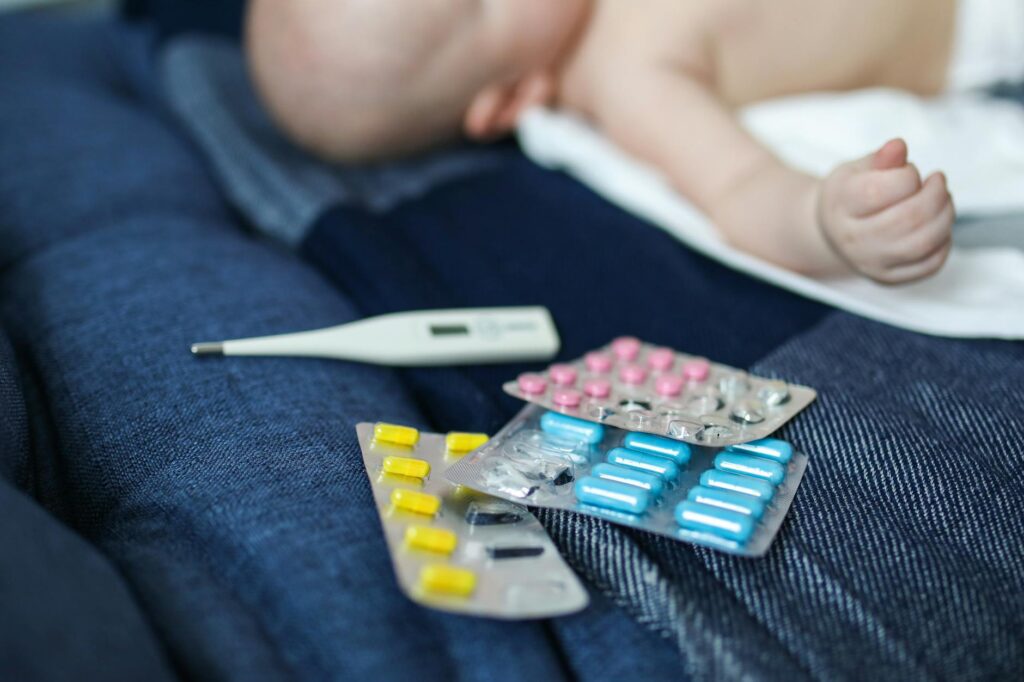
- Mistake #2 — Overusing cold medicines: Many over-the-counter cough and cold products are not recommended for infants. What to do instead: stick to saline, suction, and pediatrician-guided care.
- Mistake #3 — Ignoring feeding changes: Parents often focus on the cough and miss the real problem. What to do instead: count wet diapers and notice whether your baby can finish normal feeds.
- Mistake #4 — Assuming “no wheeze” means “no problem”: Some babies breathe badly without dramatic wheezing. What to do instead: look for rib pulling, nasal flaring, grunting, or a faster-than-usual breathing rate.
The American Lung Association and pediatric sources consistently stress that breathing effort is a more important clue than a loud-sounding cough alone. That’s good news, because it gives parents something concrete to watch. It also means you do not have to guess wildly — you can observe the right signals.
Once you know the common mistakes, the bigger picture starts to make more sense: RSV is changing the way pediatric medicine thinks about infant respiratory illness.
Why RSV in babies is getting more attention every winter
RSV is not new, but the level of attention around it has changed. In recent years, pediatric experts and public health agencies have pushed harder on prevention because RSV seasons can be intense, and because we now have better tools to reduce severe disease in some infants. That includes updated preventive options recommended by the CDC and the American Academy of Pediatrics for certain babies.
One especially important shift: many parents now hear about RSV prevention before their baby ever gets sick. That’s a big deal. Public health guidance now emphasizes protection strategies for infants, especially those at higher risk, rather than only treating illness after it starts. The CDC’s vaccine and prevention pages are a good place to see the current direction of care.
Why should you care now? Because the combination of early prevention, better awareness, and faster recognition of warning signs can keep more babies out of the hospital. The American Academy of Pediatrics’ RSV prevention guidance is worth bookmarking if you have a baby or are expecting one.
That broader shift also explains why so many parents are searching for answers before a crisis hits. And that brings us to the questions people ask most often.
Questions parents ask most about RSV in babies
Can RSV in babies go away on its own?
Yes, many mild cases do improve without specific antiviral treatment. The key is monitoring closely because babies can worsen before they improve, especially if feeding drops or breathing changes.
How long does RSV usually last in infants?
Most symptoms improve over one to two weeks, though the cough can linger longer. If your baby seems to be getting worse instead of gradually better, call your pediatrician for guidance.
Should I keep my baby away from other children with RSV?
Yes, especially if your baby is very young or has risk factors. RSV spreads easily through droplets and contaminated surfaces, so minimizing exposure during active illness matters a lot.
When should I take my baby to the ER for RSV?
Go urgently if your baby is struggling to breathe, turning blue, having pauses in breathing, or cannot drink enough to stay hydrated. If you’re unsure, it’s safer to get medical advice sooner rather than later.
Is RSV the same as a cold?
Not exactly. RSV often starts like a cold, but in babies it can move deeper into the lungs and become much more serious than a routine upper respiratory infection. If you’re concerned, check in with your pediatrician and trust your instincts.
Those answers cover the most common worries, but the part parents usually remember most is this: early observation saves a lot of panic. So let’s land this in a practical way.
RSV in babies: what matters most right now
RSV in babies is common, but that does not make it casual. The illness often starts gently, which is exactly why parents can miss the moment it turns from annoying to serious. The smartest approach is simple: clear the nose, support feeding, watch breathing effort, and call your pediatrician early if anything feels off.
The central truth is this: RSV treatment is mostly about careful support and fast recognition of warning signs, not forcing the virus out overnight. If your baby is young, premature, or has other medical risks, take symptoms seriously from the start. And if something in your gut says this isn’t a normal cold, listen to that.
Your next move is straightforward: if your baby has symptoms today, write down feeding patterns, diaper counts, and any breathing changes before you call your pediatrician. That one quick note can help you get clearer advice fast.
Always trust your instincts, and don’t hesitate to ask for help when your baby’s breathing or feeding changes.
Explore more parenting resources on AmyandRose.