
What to do when your toddler won’t eat anything is usually not “force a few more bites and hope for the best.” It’s the exhausting, real-life moment when the pasta gets rejected, the banana gets squished, and you’re left wondering if they’re living on air and crumbs. If that sounds familiar, you’re not failing — you’re dealing with one of the most common and maddening phases of early childhood.
If you’ve been spinning your wheels trying to figure this out, you’re in the right place — and by the end of this, you’ll have a clear, calm plan that works with toddler behavior instead of fighting it.
Important: The information in this article is for educational purposes only and does not constitute medical advice. Every child and family is different. Always speak with your pediatrician or a qualified medical professional before making any health-related decisions.
Table of Contents
Why your toddler is suddenly refusing food even when they seemed fine last month
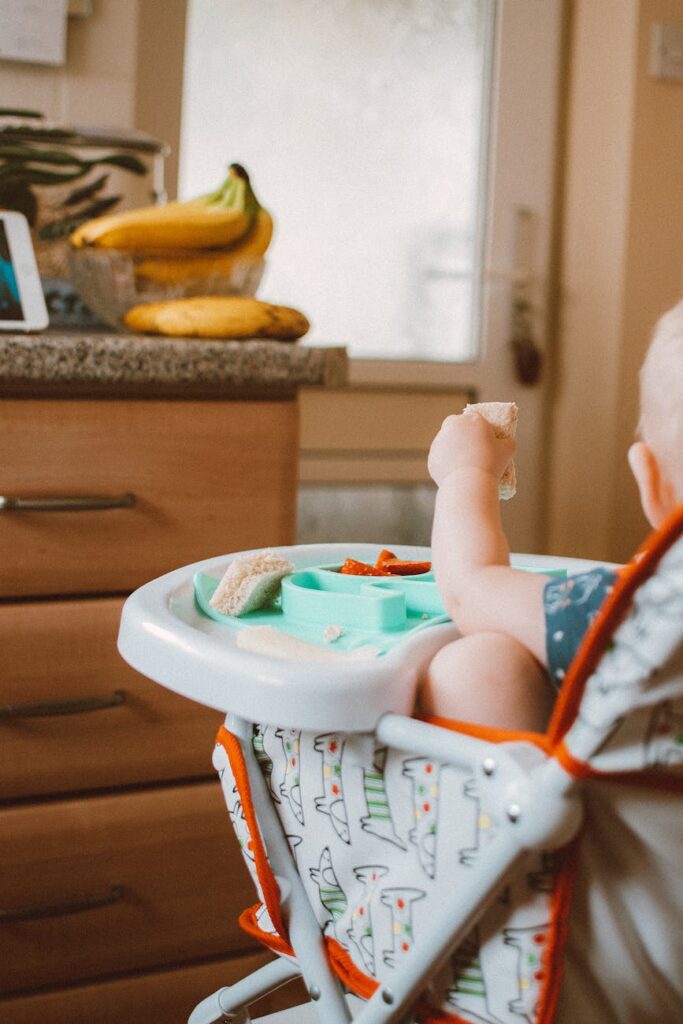
One day your child is happily eating berries, cheese, and toast. The next, they act like every meal is an insult. That whiplash is normal. Toddler appetite often drops after age 1 because growth slows down, so their calorie needs are lower than they were in infancy.
This is why a toddler refusing food does not automatically mean something is wrong. It often means your child is becoming more independent, more cautious, and more opinionated — all at once. Add teething, minor illness, constipation, tiredness, or a growth lull, and meals can get weird fast.
What parents usually miss is that “won’t eat anything” rarely means literally nothing. More often, it means “won’t eat what I offered, when I offered it, in the amount I expected.” That distinction matters because it changes your next move completely.
For a clear look at typical toddler eating patterns and appetite changes, the American Academy of Pediatrics’ toddler nutrition guidance is a solid place to start.
And yes, this phase can feel personal. It’s not. It’s developmental. That’s the good news, because it means there’s a way through it.
What to do when your toddler won’t eat anything: the rule that changes everything
The biggest breakthrough is simple: you decide what food is offered, when it’s offered, and where it’s eaten; your toddler decides whether to eat and how much. That’s the classic division of responsibility used by pediatric feeding experts, including Ellyn Satter’s widely respected approach.
Why this works: toddlers are wired to test control. The more we pressure, bargain, bribe, or panic, the more meals become a power struggle. And once food turns into a battle, appetite often drops even further.
Here’s the surprising part: forcing “just one bite” often backfires. In a 2020 review in Nutrients, responsive feeding approaches were linked with healthier eating behaviors because they reduce conflict and help children listen to hunger and fullness cues. You are not giving up by backing off control. You’re creating the conditions for eating to happen.
What this actually means for you: stop trying to make every meal a referendum on your parenting. Your job is structure, not coercion. When the pressure drops, many toddlers start eating more naturally again — often when parents least expect it.
That mindset sets up the practical steps below, which is where things start to feel less chaotic.
A simple plan for how to get toddler to eat without a fight
You do not need a perfect menu. You need a repeatable routine. Start here today:
- Keep a steady schedule: Offer 3 meals and 2–3 planned snacks at roughly the same times each day. Toddlers snack constantly when food is always available, so appetite gets chopped into pieces.
- Limit grazing and liquid calories: If your child is sipping milk or juice all day, they may never feel hungry enough to eat. The CDC’s guidance on healthy beverages for young children recommends limiting sugary drinks and being mindful with milk intake; water between meals is usually the safest default.
- Serve one safe food every time: Put at least one food on the plate you know your toddler usually accepts, like bread, rice, yogurt, or fruit. This lowers panic and gives them a foothold.
- Make the portion look tiny: Two tablespoons can look less overwhelming than a mountain of food. You can always offer seconds.
- Stay neutral at the table: No pleading, no “just one bite,” no dessert deals. Calmly model eating and let the meal end without drama.
For more on the pediatric feeding model behind this approach, the Ellyn Satter Institute’s division of responsibility in feeding is a useful reference.
If your toddler eating problems are tied to a routine that’s too chaotic, this is the first place to fix it — because consistency helps appetite show up.
The food and feeding habits that actually help a picky toddler not eating
Parents often think they need a bigger menu. Usually, they need a calmer pattern. Repeated exposure matters more than culinary creativity. A child may need to see a new food many times before touching it, let alone eating it.
Research on food neophobia — the natural hesitation toddlers feel toward unfamiliar foods — shows that repeated, pressure-free exposure can improve acceptance over time. The key word is pressure-free. If you keep pushing, the food itself can become the enemy.
Try this instead:
- Pair new foods with familiar foods: Serve broccoli next to pasta, not broccoli as the whole meal.
- Use tiny “learning” portions: A pea-sized taste counts. So does a lick, smell, or poke.
- Eat the same food yourself: Toddlers copy more than they comply.
- Rotate, don’t negotiate: Offer rejected foods again later in the week with no announcement.
One surprising insight: toddlers often eat better when there’s less commentary. The more adults narrate “yum,” “try it,” “you love this,” the more kids feel watched. Mealtime should feel safe, not like a performance review.
That calmer approach is powerful, but it only works if you avoid the mistakes that quietly make picky eating worse.
The mistakes that make toddler refusing food last longer
These are the habits that keep families stuck. Most come from love, worry, and desperation — but they can drag the problem out.
- Mistake #1 — Pressure disguised as encouragement: “One more bite,” “you’re not leaving until you finish,” or “eat this for Mommy” sounds gentle, but it teaches toddlers to resist. Instead, offer the food once, then let them decide.
- Mistake #2 — Turning snacks into a rescue mission: If you replace meals with crackers, pouches, or milk every time they refuse dinner, they learn to wait for the easier option. Stick to the next planned meal or snack.
- Mistake #3 — Too much juice or milk: Liquid calories can quietly kill hunger. If your child drinks a lot between meals, ask your pediatrician whether the amount is appropriate for their age.
- Mistake #4 — Preparing “just one separate meal” every night: It feels kind in the moment, but it can train your child to expect a custom menu. Instead, keep one family meal and include at least one accepted food.
When in doubt, remember this: your toddler is not trying to defeat you. They’re trying to understand the world, and food is one of the first places they discover they have a say.
That’s also why it helps to know when normal toddler behavior ends and something more important begins.
When toddler eating problems need a doctor’s eye
Most picky eating is a phase. But some signs deserve a call to your pediatrician, especially if your child is losing weight, seems tired, has trouble swallowing, chokes often, vomits regularly, has chronic constipation, or eats so little that meals are a daily crisis.
The NHS guidance on young children’s eating notes that poor growth, persistent feeding difficulty, and signs of dehydration are worth medical review. If food refusal started after a illness, choking event, or major change in behavior, that matters too.
What this actually means for you: trust your instincts if your child looks unwell, is dropping percentiles, or the pattern feels bigger than normal pickiness. It is always better to ask and be reassured than to sit on a concern for months.
Once you know what’s normal and what isn’t, the bigger picture gets clearer — and a lot less lonely.
Why toddler eating is getting a bigger parenting issue
Pediatric feeding struggles are getting more attention because modern family life is noisier, faster, and more snack-heavy than it used to be. Kids now have more access to ultra-palatable foods, more screen-distraction at meals, and less predictable routines — all of which can muddy hunger cues.
Experts in child nutrition and feeding behavior keep circling back to the same message: early eating patterns matter because they shape how children relate to food later. That’s not about perfection. It’s about building a boring, steady rhythm now so food doesn’t become a lifelong battleground.
Here’s the forward-looking truth: the families who handle this well are not the ones with the fanciest recipes. They’re the ones who protect the meal structure, keep pressure low, and treat appetite changes as information instead of a crisis.
That matters now because early food habits tend to stick. The sooner you move from panic to routine, the faster your toddler can return to eating like a toddler instead of like a tiny negotiator.
What to do when your toddler won’t eat anything: the questions parents ask most
Is it normal for a toddler to skip meals?
Yes, occasional meal skipping can be normal, especially if your child is growing more slowly or was less active that day. What matters more is the overall pattern across several days and weeks. If skips become frequent or come with weight loss or low energy, check in with your pediatrician.
Should I worry if my toddler only eats a few foods?
A short list of preferred foods is very common in toddlers. Keep offering new foods alongside familiar ones without pressure, and keep the routine steady. If the list is extremely limited or shrinking, bring it up with your doctor.
How do I get my toddler to eat vegetables?
Keep vegetables on the plate in tiny portions and offer them often without making a big speech about them. Pair them with foods your child already likes, and let repeated exposure do the heavy lifting. The goal is familiarity first, eating second.
When should I call the pediatrician about toddler eating problems?
Call if your child is losing weight, having trouble swallowing, vomiting often, choking, seeming dehydrated, or eating so little that growth or daily energy is affected. If something feels off in your gut, trust that feeling and ask. Your pediatrician can help sort out what’s normal and what needs attention.
What to remember about what to do when your toddler won’t eat anything
What to do when your toddler won’t eat anything is not to panic, bribe harder, or become a short-order cook every night. It’s to create a steady routine, remove pressure, offer a few reliable foods, and let your child do the part only they can do: decide whether to eat.
That shift sounds small, but it changes everything. It lowers stress, protects appetite, and keeps meals from turning into a daily standoff. If you remember only one thing, make it this: structure helps, pressure hurts.
Pick one meal today to simplify. Serve one safe food, one family food, and zero negotiation — then see what happens.
You’re doing better than you think, and your toddler’s appetite is not a verdict on your parenting.