
Formula Feeding Guide: Amounts, Schedule, and Tips starts with the question most new parents whisper at 2 a.m.: “Is my baby getting enough?” That worry is completely normal, especially when every bottle feels like a test you didn’t study for. The good news is that formula feeding becomes much easier once you know what’s typical, what’s flexible, and what actually matters.
If you’ve been guessing, comparing, or second-guessing every ounce, you’re in the right place — and by the end of this, you’ll have a calm, clear plan you can use today.
Important: This article is for educational purposes only and does not constitute medical advice. Every child and family is different. Always speak with your pediatrician or a qualified medical professional before making any health-related decisions.
Table of Contents
Why formula feeding feels so confusing in the first weeks
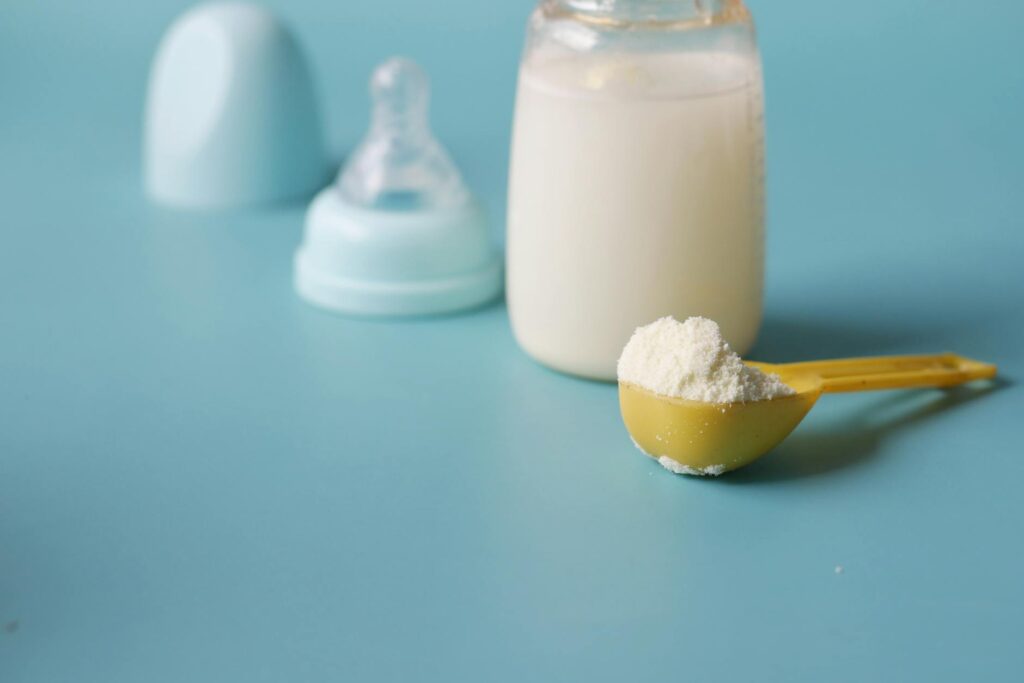
The hardest part of formula feeding is that babies don’t come with a neon sign that says, “I need 2.5 more ounces.” One day they drain a bottle; the next they act full after barely starting. Meanwhile, well-meaning advice online can make you feel like you’re already doing it wrong.
Here’s the real-world problem: newborn feeding patterns are messy, growth happens fast, and appetite changes by the day. The American Academy of Pediatrics’ feeding guidance reflects that variability, not a rigid schedule, because babies are not clockwork machines. If you’re trying to follow a formula feeding schedule to the minute, you’ll probably feel more stressed than helped.
What parents usually want is not perfection — it’s a way to know how much formula for newborns is normal, how often to formula feed, and when to stop worrying. That’s the standard this guide is built around.
Next, let’s get to the most important truth: the best formula feeding guide is built around hunger cues, growth, and flexibility — not a one-size-fits-all bottle chart.
The real rule behind Formula Feeding Guide: Amounts, Schedule, and Tips
The central idea is simple: feed your baby based on hunger and fullness cues, then use age-based amounts as a starting point, not a commandment. That’s the sweet spot. It gives you structure without turning feeding time into a math problem.
Newborns often eat every 2 to 3 hours, but “normal” can still look different from one baby to the next. The CDC notes that responsive feeding — watching your baby rather than the clock alone — is a healthy approach for infant feeding. You can read more in the CDC’s infant and toddler nutrition guidance, which emphasizes recognizing hunger and fullness cues: [CDC infant and toddler nutrition guidance].
Three truths matter more than any app or bottle tracker:
- Babies usually start small. In the early days, many newborns take about 1 to 2 ounces per feeding, then gradually increase.
- Growth spurts change everything. A baby who seemed satisfied yesterday may suddenly want more today, and that can be completely normal.
- Fullness matters as much as hunger. Turning away, slowing down, or relaxing their hands are often signs they’ve had enough.
- Diapers and weight checks matter more than guesswork. Your pediatrician uses growth patterns, not one feed, to judge whether intake is on track.
That shift — from “How do I control this?” to “How do I read my baby?” — makes formula feeding much less scary. And it sets up the practical part, which is where most parents finally exhale.
How much formula for newborn? The simple age-based range that actually helps
If you’re searching for how much formula for newborn, you usually want a safe starting point fast. Here it is: many newborns begin with about 1 to 2 ounces per feeding in the first days, then slowly move up as their stomachs grow. By around the first month, many babies take closer to 3 to 4 ounces per feeding, though this varies.
The key is not to force a bottle just because the number sounds “right.” The National Institutes of Health’s MedlinePlus and major pediatric guidance both stress that feeding needs vary, especially during the first weeks of life. For a science-backed overview of infant nutrition and growth, the [National Institute of Child Health and Human Development infant nutrition resources] are a solid reference.
What this actually means for you: if your newborn is finishing bottles, seems content after feeds, and has the expected wet diapers, you’re likely in a normal range even if your neighbor’s baby eats differently. The goal is steady growth and a settled baby, not matching someone else’s ounces.
Now let’s turn that range into a schedule you can actually follow without living by the clock.
A formula feeding schedule you can use today
A good formula feeding schedule should help you feel organized, not trapped. Think of it as a framework that adapts to your baby’s hunger cues and your pediatrician’s guidance.
- Start with the age range, not the exact ounce number. Newborns often feed every 2 to 3 hours. Older babies may stretch farther between feeds, but not every day will look the same.
- Watch for early hunger cues. Rooting, sucking on hands, lip smacking, and waking from sleep are earlier signs than crying. Feeding before the meltdown usually makes the whole experience smoother.
- Offer a bottle, then pause. Let your baby decide when they’re done. If they pull away, slow down, or lose interest, stop. Don’t push to finish a bottle “just because.”
- Track patterns for three days, not three minutes. A single feed tells you almost nothing. A three-day pattern tells you a lot about average intake and timing.
- Adjust only after you see a pattern. If your baby consistently finishes bottles and still shows hunger cues, you can ask your pediatrician whether a small increase makes sense.
One surprising but important detail: many bottle-feeding problems come from pacing, not formula itself. When bottles are too fast, babies may overeat or swallow extra air, which can look like hunger when it’s actually discomfort. That’s why paced bottle feeding is worth learning early.
Next, let’s look at what the evidence says about feeding patterns, growth, and the advice behind all this.
What the research says about formula feeding patterns and growth
There’s a reason pediatric guidance keeps coming back to responsive feeding: babies regulate intake differently, and a rigid approach can backfire. The [American Academy of Pediatrics infant feeding guidance] supports watching hunger and satiety cues rather than forcing a fixed amount. The WHO also emphasizes responsive feeding in early childhood because it supports healthier feeding relationships over time.
Research on infant feeding has also shown that parents often underestimate or overestimate intake when they rely on anxiety instead of pattern recognition. In practice, that means a baby who takes 2 ounces now and 4 ounces later is not “inconsistent” — they’re behaving like a baby. Their needs change with growth, wake windows, and developmental spurts.
One especially useful point: in the first months, weight gain trends and diaper output are better indicators than trying to count every swallow. Pediatricians care about whether a baby is steadily growing, hydrated, and generally content after feeds. That’s why they often ask about wet diapers, stools, spit-up, and alertness — not just ounces.
“Feeding is a relationship, not a performance.”
What this actually means for you: if your baby is growing well, having regular wet diapers, and seems satisfied most of the time, you probably do not need to micromanage every bottle. Use the numbers as a guide, not a verdict.
That said, there are a few common mistakes that can make even an otherwise solid routine feel like chaos.
The formula feeding mistakes that cause most of the stress
Most formula-feeding headaches come from a handful of avoidable habits. The frustrating part? They often look like “being careful.” In reality, they create more worry than they solve.
- Mistake #1 — Chasing the exact ounce: Parents try to hit a number instead of following cues. Babies don’t eat in perfect increments, so use ranges and patterns instead of obsessing over the last half-ounce.
- Mistake #2 — Forcing bottle finishes: This happens when adults assume a baby must empty the bottle to be fed enough. Instead, stop when your baby shows fullness, and trust the next feed to tell you more.
- Mistake #3 — Ignoring bottle flow: A nipple that’s too fast can make babies gulp, cough, or take in more than they need. A slower flow often improves comfort and reduces stress.
- Mistake #4 — Mixing formulas or changing brands too quickly: Some parents switch after one fussy day, but babies need time to adjust. If you’re considering a change, check with your pediatrician first — especially if your child has reflux, eczema, or feeding discomfort.
There’s one more thing many parents miss: formula preparation matters just as much as amount. Using the correct water-to-powder ratio is important for safety, and formula should be prepared according to the label or your pediatrician’s instructions. The CDC’s formula preparation guidance is a good place to verify the basics: [CDC formula preparation guidance].
Once those mistakes are out of the way, the bigger picture starts to make sense — and the future of infant feeding is moving in a very clear direction.
Why formula feeding is moving toward smarter, less-stressed routines
Across pediatrics, the trend is moving away from strict feeding control and toward responsive care. That’s because early feeding isn’t just about calories; it’s about building trust, reducing pressure, and helping parents recognize what their baby is actually telling them.
That shift matters now more than ever. Families are getting hit with more conflicting advice than ever before, and the parents who do best are usually the ones who keep it simple: feed regularly, watch the baby, and ask for help when something feels off. In other words, the future of formula feeding is not more rules — it’s better judgment.
Why should you care now? Because the sooner feeding feels calmer, the easier it is to spot real issues versus normal baby behavior. If you want a confident routine, calm beats perfection every time.
Formula Feeding Guide FAQ
How much formula should a newborn drink at each feeding?
Many newborns start with about 1 to 2 ounces per feed, then gradually move upward over the first weeks. The exact amount depends on age, growth, and hunger cues, so check with your pediatrician if you’re unsure what’s right for your baby.
How often do you formula feed a newborn?
Newborns often feed every 2 to 3 hours, including overnight, though some may cluster feeds or stretch a little longer. If your baby is unusually sleepy, hard to wake for feeds, or not having enough wet diapers, call your pediatrician.
Can you overfeed a formula-fed baby?
It’s possible, especially if bottles are encouraged to finish too quickly or too often. Watching for fullness cues and using paced bottle feeding can help prevent overfeeding and reduce spit-up or discomfort.
How do I know if my baby is getting enough formula?
Look at the whole picture: wet diapers, steady weight gain, alertness, and generally satisfied behavior after feeds. If something feels off, bring it to your pediatrician — your instincts matter.
Should I wake my baby to feed formula?
In the early newborn period, many babies do need to be woken to feed, especially if they haven’t regained birth weight or your pediatrician has given specific instructions. Once your baby is growing well, your doctor can help you decide whether longer sleep stretches are okay.
Next, let’s bring all of this together into one clear takeaway you can use without overthinking it.
Formula Feeding Guide: Amounts, Schedule, and Tips that actually make life easier
The best Formula Feeding Guide: Amounts, Schedule, and Tips is the one that makes you calmer, not more confused. Start with age-based ranges, use hunger and fullness cues, and treat the schedule like a flexible framework instead of a test. Pay attention to patterns over a few days, not one dramatic bottle, and remember that diaper output and growth matter more than perfection.
You’re not supposed to know all of this instinctively. Most parents learn it feed by feed, and that’s completely okay. Your next best move is simple: write down your baby’s last 24 hours of feeds, diapers, and sleep, then bring that pattern to your pediatrician if you’re unsure whether the amount looks right.
You’ve got this — one bottle at a time, and with a lot less guessing than before.
[Medical disclaimer: This article is for educational purposes only and does not constitute medical advice. Every child and family is different. Always speak with your pediatrician or a qualified medical professional before making any health-related decisions.]