
Diaper rash is a common problem for babies and can be a pain for both baby and parent. There are many different types of diaper rash, and each one has its symptoms and causes.
Related resource: what makes diaper rash worse.
This blog post will cover the different types of diaper rash, their common symptoms, and how to treat them.
Table of Contents
Diaper dermatitis

Sometimes, diaper rash is referred to as ‘diaper dermatitis’ or ‘baby skin rashes.’ This can make it seem like quite a scary condition!
Diaper dermatitis usually occurs when there are moisture sources in the baby’s underwear (for example, if they need to go to the bathroom frequently), and their dry skin gets irritated by some of the urine or fecal matter that has penetrated the garment.
This typically happens within the first few days after changing a new set of diapers.
After this period, however, the thick layer of protective mucus at the surface level may begin to thin out or even wash away. This exposes more raw skin, which makes the problem worse.
What should you do?
Try not to touch the affected area with your hands as much as possible. Use a wet paper towel instead. If needed, use a fresh piece of cloth each time, so there’s no lingering chemical residue from the last one.
Dry infant clothes thoroughly using either a low heat setting for ironing or taking them outside to let air circulation work. Avoid using a hairdryer, as this could cause further irritation.
Consult your doctor if the symptoms worsen beyond the tips mentioned above or if the pain becomes too intense.
The rash caused by chafing
Chafing can cause diaper rash, usually around your baby’s ankles or feet, where the foot gets stuck in a wet diaper as it dries.
This can happen when there are folds in the fabric of the panty or wool sock that don’t hold moisture well. Or the infant may get tangled up in the leg straps while putting on the diaper.
Choose a comfortably fitting diaper; an overly tight diaper can rub the skin and worsen irritation.
However, if the parent has to put off using those products for health reasons, then buying slightly less tight pants or cotton socks is another way to avoid ankle rashing.
Another important factor in preventing chaffing is ensuring your baby is warm enough. Babies should never be left without clothes at temperatures colder than 60°F (15°C).
The rash caused by moisture
Moisture-related irritant diaper dermatitis can develop when skin remains in contact with urine or stool. It is not a distinct condition called wet-skin syndrome.
As mentioned before, dry diapers are the best way to prevent this kind of rashes.
Avoid fragranced lotions and improvised oil treatments on a diaper rash. Ask a pharmacist about an appropriate barrier cream and seek assessment if it persists or worsens.
Do not apply homemade oil mixtures to an inflamed diaper area as a substitute for appropriate care.
Diaper dermatitis caused by a yeast infection
Yeast is a fungus, not a bacterium. Candida normally lives on the body but can sometimes cause an infection.
Candida can overgrow in a warm, moist diaper area, sometimes after antibiotics. Do not restrict normal milk feeds to treat a presumed yeast rash; a clinician should advise on treatment.
A bacterial infection causes diaper dermatitis
Most diaper rash is irritant dermatitis; bacterial infection is a separate possibility that needs clinical assessment rather than a diagnosis of a general bacterial imbalance.
Diaper rashes can be acute or chronic, depending on how long they persist. Acute diaper rashes will go away within a few days, but if they don’t, it’s important to identify the source of the problem so you can treat it.
Chronic diaper rashes may occur because your child has dry skin or too much hair in the diapers prevents adequate moisture from being absorbed.
If your baby also suffers from eczema, it is more likely to worsen as time passes since excess oil acts as a protective layer for his skin.
Diaper dermatitis is caused by too much moisture
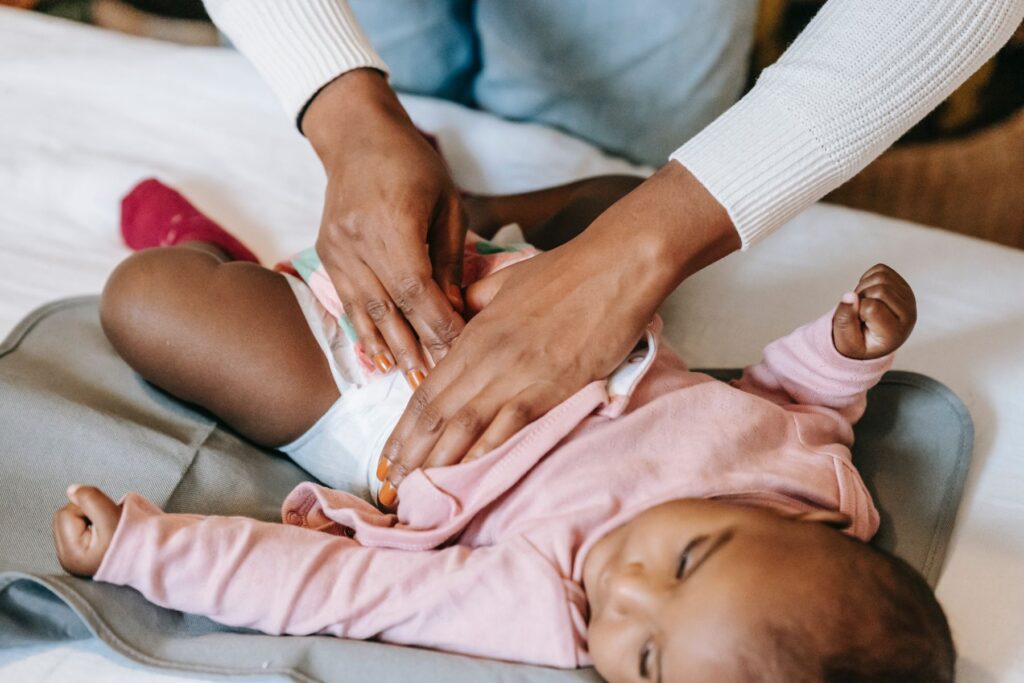
When your baby is in diapers, check their diaper every few hours for any signs of wetness or sopping. If you notice one of these, try an alternative brand or type of diaper before calling it a washout!
Diapers can cause skin irritation due to all the extra water they retain. This can lead to red, dry, flaky rashes across the thighs, buttocks, and stomach area.
This will also go unnoticed because most parents tend to focus more on how wet the infant is than looking for changes in skin texture.
However, if you see a difference in your child’s skin color, it is important to ensure they are properly dried off!
Powder is not recommended for newborns or older children; babies and toddlers need gentle cleaning, prompt diaper changes and appropriate skin protection.
Do not use dusting powders. Change wet or dirty diapers promptly and gently pat the skin dry.
Diaper dermatitis is caused by insufficiently dried skin
Sometimes, diaper rash is due to something more serious than just a fun bacteria or fungus infection. In these cases, your body does not like dry skin very well!
Diaper rashes can be caused by either inflammation of pre-existing wounds or new injuries from rubbing against wet diapers or bedding as they dry. Unfortunately, most washable soakers do not leave enough time for the skin to air out completely, which may contribute to this kind of diaper rash.
Diaper dermatitis is caused by a baby using the diaper too much
When your child has run out of diapers or chooses to go through an extended period without changing their clothes, they may develop a rash due to their skin being exposed to poop for longer than it should.
This is called fecal-contact dermatitis and can be uncomfortable and annoying for parents and children.
Redness or warmth alone cannot identify the cause of a rash. Seek medical advice for fever, spreading redness, significant pain or suspected infection.
Final Words
If your baby has a diaper rash, it’s important to identify the type of rash so that you can provide the best possible treatment for your little one.
If you’re unsure about what type of rash your baby has or if the rash doesn’t seem to be improving with home treatment, be sure to contact your healthcare provider for further guidance.