
100+ Japanese baby names for boys and girls with meanings is exactly what most parents start searching for when they want a name that feels beautiful, meaningful, and memorable — not just trendy. Maybe you want something soft and elegant. Maybe you’re after a name that sounds strong, modern, or deeply rooted in tradition. Either way, the right Japanese name can carry a story before your child even says a word.
If you’re staring at a long list and feeling equal parts excited and overwhelmed, you’re not alone. This guide is here to help you sort through the noise and find names that actually feel like they could belong to your baby — not just names that look pretty on paper.
Table of Contents
Why Japanese baby names matter so much
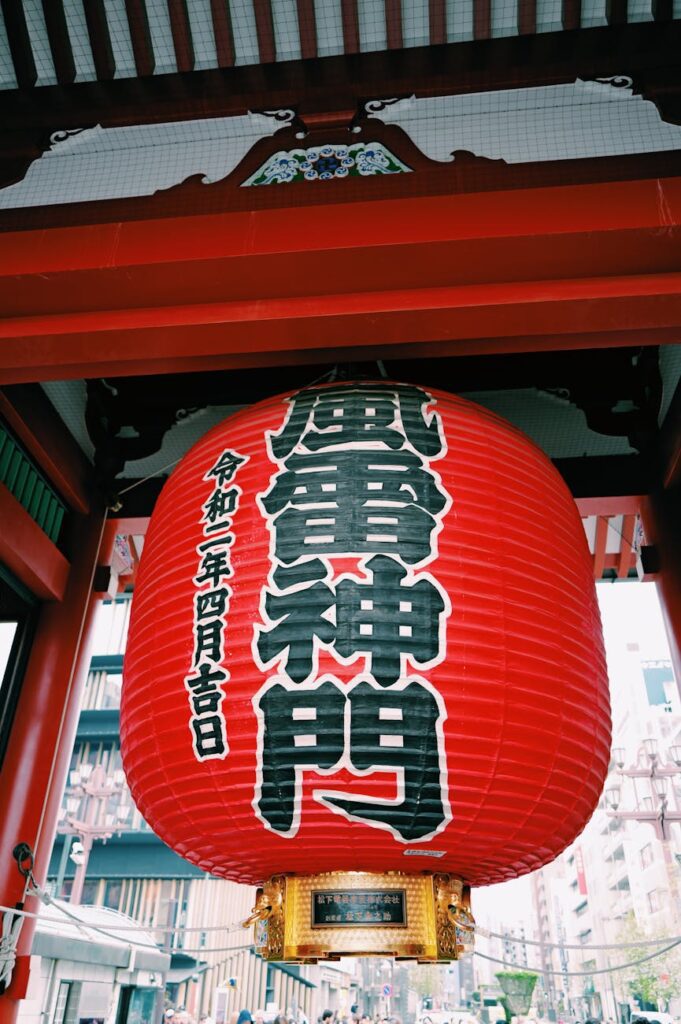
A name is one of the first gifts a child receives, and in Japanese naming tradition, that gift often carries layered meaning. A single name can express nature, virtue, strength, seasons, light, or family hopes for the future. That’s part of why so many parents love Japanese baby names: they’re not just stylish, they feel intentional.
There’s also something deeply moving about how flexible Japanese names can be. The same pronunciation may be written with different kanji, which can shift the meaning in subtle but powerful ways. That means a name can be both personal and poetic — and that’s a rare combination.
Imagine choosing a name that means “gentle spring,” “bright harmony,” or “one who shines.” It’s easy to see why so many families want names with that kind of emotional weight. Next, let’s make the choice easier with a few practical filters.
How to pick the perfect Japanese baby name for your family
The best name is the one you can say a hundred times a day without getting tired of it. It should also feel good with your last name, work in real life, and match the tone you want for your child’s story.
- Say it out loud with your last name. Some names look lovely on a page but feel clunky in full. Test the rhythm, especially if your last name is long or starts with a hard sound.
- Check the meaning, not just the sound. In Japanese names, meaning matters a lot. A name may sound delicate but carry a strong or spiritual meaning, which can be a beautiful surprise.
- Think about spelling and pronunciation. If you live outside Japan, choose a name that’s easier for teachers, relatives, and future coworkers to pronounce with confidence.
- Decide whether you want traditional or modern. Some parents love classic names like Haruto or Yui, while others want something rarer and more distinctive.
- Look for a name that grows well. A baby name should still feel right on a teenager, an athlete, a doctor, or a CEO. Cute is great. Timeless is better.
- Be thoughtful about kanji. If you’re choosing a Japanese name for cultural or family reasons, the written characters matter just as much as the sound. The same name can feel entirely different depending on the kanji used.
If you keep those six things in mind, the list below becomes much easier to browse — and a lot more useful.
The 100+ Japanese baby names for boys and girls — organized by style
To make this easier to use, the names are grouped by feel: classic favorites, nature-inspired choices, modern picks, and rarer names that stand out without feeling invented. Wherever possible, I’ve included the meaning in a simple, parent-friendly way. If you’re not sure what style fits your baby yet, start with the category that matches the feeling you want.
Classic Japanese boy names
- Haruto — “sunlight” or “sun flying”; a modern classic that feels warm and strong.
- Ren — “lotus” or “love”; short, calm, and elegant.
- Riku — “land” or “strength of the earth”; grounded and simple.
- Yuto — often linked to “gentle” and “person” or “greatness”; widely loved for its soft strength.
- Sota — “big, thick, or harmonious”; a friendly, easygoing choice.
- Daiki — “great brightness” or “great nobility”; confident and polished.
- Kaito — “ocean” and “fly”; energetic and adventurous.
- Shota — “flying” or “soaring”; brisk and youthful.
- Takumi — “artisan” or “craftsmanship”; a beautifully grounded, skilled name.
- Hayato — “falcon person”; sharp, swift, and powerful.
- Ryota — “good, refreshing, thick”; a dependable favorite.
- Yuji — often tied to “courage” and “second son”; classic and warm.
- Makoto — “sincerity” or “truth”; deeply honest in feeling.
- Hiroto — “great flight” or “broad” plus “person”; expansive and strong.
- Ryo — “refreshing,” “clear,” or “good”; clean, modern, and versatile.
- Itsuki — “tree” or “timber”; natural and dignified.
- Tomoya — “wise” or “intelligent” plus “person”; thoughtful and kind.
- Shin — “truth,” “heart,” or “new”; short and powerful.
- Kota — “peace” or “great happiness”; cheerful and easy to love.
- Jun — “pure,” “genuine,” or “obedient”; simple and timeless.
Classic Japanese girl names
- Yui — “tie,” “binding,” or “gentle”; soft, graceful, and widely adored.
- Aoi — “blue” or “hollyhock”; fresh and quietly striking.
- Hina — often linked to “sun” or “greens”; bright and sweet.
- Rio — “village center,” “jasmine,” or “good cherry blossom” depending on kanji; lively and modern.
- Mio — “beautiful cherry blossom” or “thread”; delicate and lyrical.
- Sakura — “cherry blossom”; one of the most beloved Japanese names in the world.
- Nana — “seven” or “greens”; simple, friendly, and cheerful.
- Mei — “sprout,” “bud,” or “beautiful”; compact and luminous.
- Rin — “dignified,” “cold,” or “severe” depending on kanji; elegant and crisp.
- Hana — “flower”; classic, gentle, and universally lovely.
- Rei — “grace,” “lovely,” or “spirit”; sleek and refined.
- Yuna — often linked to “gentle” and “vegetable/greens” or “dream”; soft and modern.
- Ayaka — “colorful flower”; vibrant and pretty.
- Emi — “beautiful blessing” or “smile”; warm and joyful.
- Misaki — “beautiful blossom” or “beautiful cape”; polished and feminine.
- Haruka — “distant,” “spring,” or “clear”; airy and elegant.
- Nanami — “seven seas” or “beautiful waves”; calm and oceanic.
- Asuka — “fragrance” and “bird”; light and memorable.
- Riko — “jasmine child” or “truth child”; bright and sweet.
- Yuka — often meaning “gentle flower” or “fragrance”; simple and charming.
Nature-inspired Japanese boy names
- Haruki — “spring tree” or “shining sun”; full of fresh energy.
- Hinata — “sunny place” or “facing the sun”; cheerful and open.
- Kazuki — “harmonious hope” or “tree of peace”; balanced and calm.
- Sora — “sky”; airy, bright, and modern.
- Minato — “harbor”; peaceful, safe, and rooted.
- Itsuki — “tree”; natural and enduring.
- Kazuma — “harmony” and “truth”; smooth and steady.
- Renji — often associated with “lotus” and “second son”; strong and graceful.
- Taiga — “big river”; bold and flowing.
- Nagi — “calm sea”; serene and rare.
- Asahi — “morning sun”; bright, fresh, and hopeful.
- Yamato — a historic name associated with Japan itself; proud and traditional.
- Shiori — though often used for girls, some families appreciate it as a nature-linked poetic choice; “bookmark” or “guide.”
- Raiden — “thunder and lightning”; dramatic and powerful.
- Noa — often written as “peace” or “calm”; soft and contemporary.
- Kairi — “sea,” “ocean,” or “village by the sea”; fluid and adventurous.
- Towa — “eternity”; small name, big feeling.
- Ryou — “cool breeze” or “refreshing”; crisp and natural.
- Haruma — “spring” and “horse”; energetic and seasonal.
- Shun — “fast,” “talented,” or “springtime”; quick and bright.
Nature-inspired Japanese girl names
- Hikari — “light”; radiant and uplifting.
- Sora — “sky”; soft, airy, and modern for girls too.
- Ume — “plum blossom”; traditional and beautiful.
- Mizuki — “beautiful moon” or “water and tree”; lyrical and elegant.
- Aya — “color,” “design,” or “woven pattern”; graceful and artistic.
- Kaede — “maple”; crisp, seasonal, and lovely.
- Nozomi — “hope” or “wish”; emotionally rich and uplifting.
- Yuzuki — often linked to “gentle moon” or “citrus moon”; soft and memorable.
- Rikka — “six flowers” or “flowing summer”; delicate and rare.
- Natsumi — “beautiful summer”; cheerful and sunlit.
- Koharu — “small spring” or “late spring sunshine”; cozy and tender.
- Akari — “light” or “lantern”; warm and inviting.
- Mori — “forest”; earthy and serene.
- Suzume — “sparrow”; charming and uncommon.
- Momoka — “peach blossom”; sweet and feminine.
- Yuki — “snow” or “happiness,” depending on kanji; soft with a cool edge.
- Ran — “orchid” or “water lily”; elegant and a little mysterious.
- Hinano — often associated with “sun” and “field”; gentle and blooming.
- Chiaki — “a thousand autumns” or “bright and beautiful”; deeply poetic.
- Tsukiko — “moon child”; dreamy and timeless.
Modern and unisex Japanese baby names
- Aki — “bright,” “autumn,” or “sparkle”; simple and flexible.
- Ren — a soft, unisex choice meaning “lotus” or “love.”
- Mika — often meaning “new moon” or “beautiful fragrance”; stylish and gentle.
- Nao — “honest,” “straight,” or “dear”; quietly strong.
- Yori — “reliable,” “trust,” or “dependence”; uncommon and elegant.
- Kai — “ocean,” “shell,” or “open”; globally loved and easy to say.
- Aoi — blue, hollyhock, or freshness; crisp and unisex.
- Haru — “spring”; short, bright, and easy to wear.
- Rui — “tear,” “accumulated,” or “gem”; sleek and uncommon.
- Sou — “flying” or “sudden”; minimalist and modern.
- Yua — often linked to “binding love” or “gentle love”; soft and fashionable.
- Noa — soft, calm, and simple to pronounce.
- Riko — “child of truth” or “jasmine child”; sweet and balanced.
- Sena — often tied to “clear” or “vast”; airy and appealing.
- Mao — “true center” or “dance blossom”; bright and stylish.
- Tsubasa — “wings”; adventurous and full of lift.
- Hina — gentle, sunny, and easy to love.
- Yori — refined and uncommon, with a calm sound.
- Shion — “aster flower”; beautiful and distinctive.
- Asa — “morning”; short, bright, and uncommon.
Rare Japanese boy names with big personality
- Arata — “fresh” or “new”; clean and modern.
- Issei — “ (Incomplete: max_output_tokens)